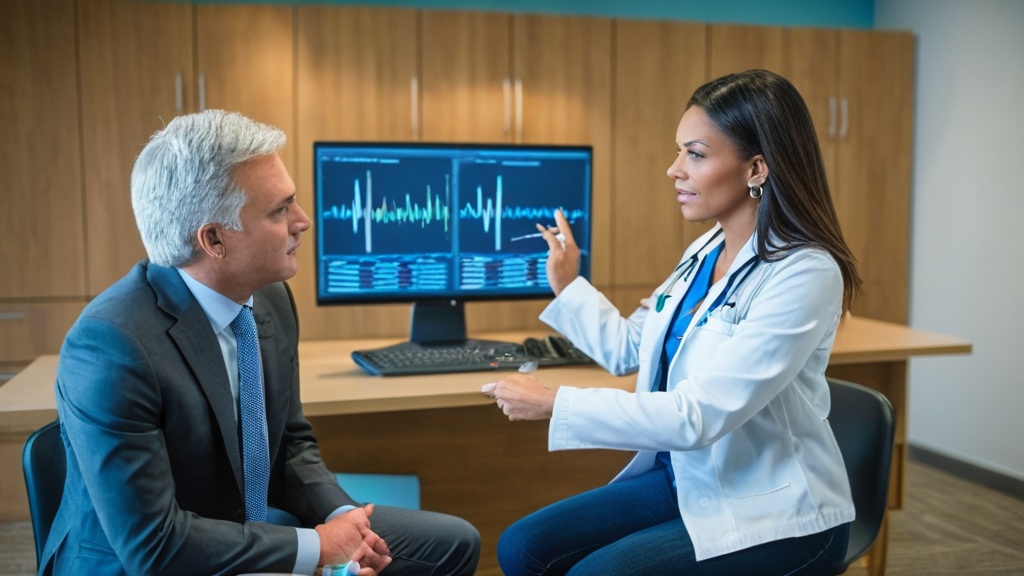
Inside a Rare Disease Clinic Visit


Stepping into a rare disease clinic can feel overwhelming. Many questions might swirl in your mind. This guide helps you navigate that unique experience. We’ll explore what to expect and how to prepare.
Effective preparation makes your visit smoother. Gathering information ahead helps the medical team. This ensures you get the most from your appointment.
Gathering Your Medical History
Bring all past medical records. This includes reports, test results, and imaging scans. A comprehensive view helps doctors understand your journey. Think of it like telling your story to someone new.
Write down family medical history. Certain rare diseases have genetic links. Knowing your family’s health patterns can be crucial. This helps identify possible inherited conditions.
List all current medications. Include prescription drugs, over-the-counter medicines, and supplements. Note dosages and how often you take them. This prevents adverse drug interactions.
Documenting Your Symptoms
Keep a detailed symptom diary. Note when symptoms started and how they evolved. Describe their severity and any triggers. This paints a clear picture for the doctor.
Record any previous treatments tried. Include therapies, diets, or lifestyle changes. Mention what worked and what didn’t. This guides future treatment decisions. For example, did a specific diet make you feel better or worse?
Write down your biggest concerns. What are your most pressing questions? This helps you stay focused during the consultation. You won’t forget important points.
Bringing a Support Person
Consider bringing a trusted friend or family member. They can take notes and offer emotional support. Two sets of ears often catch more information. This reduces stress for you.
Your support person can ask questions too. They might think of things you miss. They can also help remember instructions. This creates a stronger support system.
The Clinic Experience
A rare disease clinic functions differently. It often involves a team of specialists. This multidisciplinary approach ensures comprehensive care.
The Initial Consultation
Expect to spend significant time discussing your history. The doctor will ask many questions. They want to understand your unique situation fully. Be open and honest.
You might see multiple specialists on one day. A geneticist, neurologist, or immunologist could be present. Each specialist offers a different perspective. This collaborative approach aids diagnosis.
The doctor will perform a thorough physical exam. They will check all body systems. This helps gather more diagnostic clues. It’s a standard part of any medical visit.
Diagnostic Testing
Rare diseases often require specialized tests. These might include genetic testing or advanced imaging. The clinic staff will explain each test. They will tell you why it’s needed.
Genetic testing may involve a blood sample or saliva. This can identify specific gene mutations. These mutations are often responsible for rare conditions. Results can take several weeks.
Imaging like MRI or CT scans provides detailed views inside your body. They can reveal structural abnormalities. These might explain your symptoms. The clinic coordinates these appointments.
The Multidisciplinary Team Meeting
After your initial evaluation, specialists often meet. They discuss your case as a team. This collaborative review is crucial for complex diseases. They combine their expertise.
This meeting helps formulate a comprehensive plan. They might consider different treatment options. They aim for the best possible outcome for you. This team approach is a hallmark of rare disease care.
Understanding Your Diagnosis and Treatment
Receiving a rare disease diagnosis can be a significant moment. The path forward involves specific treatments and ongoing management. Understanding these aspects empowers you.
Receiving the Diagnosis
The doctor will explain your diagnosis clearly. They will use plain language, avoiding jargon where possible. Ask questions if anything is unclear. This is your health.
They will discuss the prognosis for your condition. This involves the likely course of the disease. They will explain potential complications. Knowledge helps you plan ahead.
You might feel a range of emotions. This is completely normal. Allow yourself time to process the information. Support is available for this journey.
Exploring Treatment Options
Treatment for rare diseases varies widely. It often focuses on managing symptoms. Sometimes, specific therapies target the disease itself. The doctor will outline these options.
They might suggest medications to alleviate symptoms. For example, pain relievers for chronic pain. Physical therapy could improve mobility. Occupational therapy helps with daily tasks.
Clinical trials offer access to new treatments. These are research studies testing new therapies. Your doctor might discuss if you qualify. This provides cutting-edge care. (National Institutes of Health Clinical Trials are a publicly available resource for finding relevant clinical trials.)
Long-Term Management
Rare diseases require ongoing care. Regular follow-up appointments are essential. These monitor your condition and adjust treatments. Your health team tracks your progress.
Lifestyle adjustments often play a role. Diet changes or specific exercise routines can help. Your care team can provide guidance. They empower you to manage your health.
Connecting with patient advocacy groups can be valuable. They offer support and resources. Other patients understand your unique challenges. Sharing experiences can be comforting. (Global Genes is an organization that provides resources and builds communities for rare disease patients and families.)
Post-Visit Actions
Your clinic visit is only one step. Active involvement in your care continues afterward. This helps maintain your health and well-being.
Reviewing and Organizing Information
Go over your notes from the visit. Clarify any points with your support person. This reinforces what you learned. Understanding is key to adherence.
Organize all handouts and instructions. Keep them in a dedicated folder. This creates an easy reference point. You’ll always know where to find important papers.
Update your medication list as needed. Add any new prescriptions or changes. Accuracy helps prevent errors. Share this with all your doctors.
Following Up on Tests and Referrals
Confirm when to expect test results. Ask about their delivery method. This ensures you don’t miss important information. Some results might be online.
Schedule any recommended specialist appointments. The clinic might help with referrals. Follow up promptly to avoid delays. Early intervention matters.
If you have questions after you leave, call the clinic. Most clinics have dedicated staff for patient inquiries. Do not hesitate to seek clarification. Your health team is there to help.
Navigating Challenges
| Date | Number of Patients | Average Visit Duration (hours) | Number of New Diagnoses |
|---|---|---|---|
| January 2022 | 25 | 2.5 | 8 |
| February 2022 | 28 | 2.3 | 10 |
| March 2022 | 30 | 2.7 | 6 |
Living with a rare disease presents unique challenges. Addressing these head-on helps improve your quality of life. Seek support when needed.
Emotional and Mental Well-being
A rare disease diagnosis impacts mental health. Feelings of stress, anxiety, or depression are common. Acknowledge these emotions. You are not alone.
Consider professional mental health support. A therapist can provide coping strategies. They offer a safe space to process feelings. Mental health is as important as physical health.
Connect with support groups. Sharing experiences with others facing similar challenges helps. It reduces feelings of isolation. Online forums and local chapters exist. (The National Organization for Rare Disorders (NORD) has a robust patient and family services program that includes support groups.)
Financial and Practical Considerations
Rare disease treatments can be costly. Research financial assistance programs. Many foundations offer help with medication or travel expenses. Inquire with clinic staff.
Understand your insurance coverage. Know your deductibles and co-pays. This helps manage medical bills. Advocate for your coverage if needed.
Explore resources for practical support. Home health aides or transportation services might be available. Your care coordinator can guide you. This helps with daily living.
Advocacy and Empowerment
Become an informed advocate for yourself. Understanding your disease empowers you. You can make better decisions about your care. Knowledge is power.
Communicate openly with your healthcare team. Express your concerns and preferences. Participate actively in your treatment plan. You are a key part of the team.
Consider joining patient advocacy efforts. Your voice can help raise awareness. It can also drive research and policy changes. Together, patients make a difference. (The Rare Disease Legislative Advocates (RDLA) offers opportunities for patients and family members to engage in advocacy.)
Your journey with a rare disease is unique. Approaching clinic visits with preparation helps immensely. Remember, you have a dedicated care team supporting you. Embrace this partnership for your best health outcomes.
FAQs
What is a rare disease clinic visit?
A rare disease clinic visit is a medical appointment specifically for individuals with rare diseases. These clinics are designed to provide specialized care and support for patients with rare and complex medical conditions.
What can I expect during a rare disease clinic visit?
During a rare disease clinic visit, patients can expect to receive comprehensive medical evaluations, personalized treatment plans, access to specialized medical professionals, and support services tailored to their specific rare disease.
How can I find a rare disease clinic?
Patients can find rare disease clinics through referrals from their primary care physician, by contacting rare disease organizations, or by searching online databases of specialized medical centers and hospitals that offer care for rare diseases.
What are the benefits of visiting a rare disease clinic?
Visiting a rare disease clinic can provide patients with access to medical professionals who have expertise in their specific rare disease, personalized treatment plans, access to clinical trials and research opportunities, and support from a multidisciplinary team of healthcare providers.
What should I bring to a rare disease clinic visit?
Patients should bring any relevant medical records, test results, and a list of current medications to their rare disease clinic visit. It may also be helpful to bring a list of questions or concerns to discuss with the healthcare team.