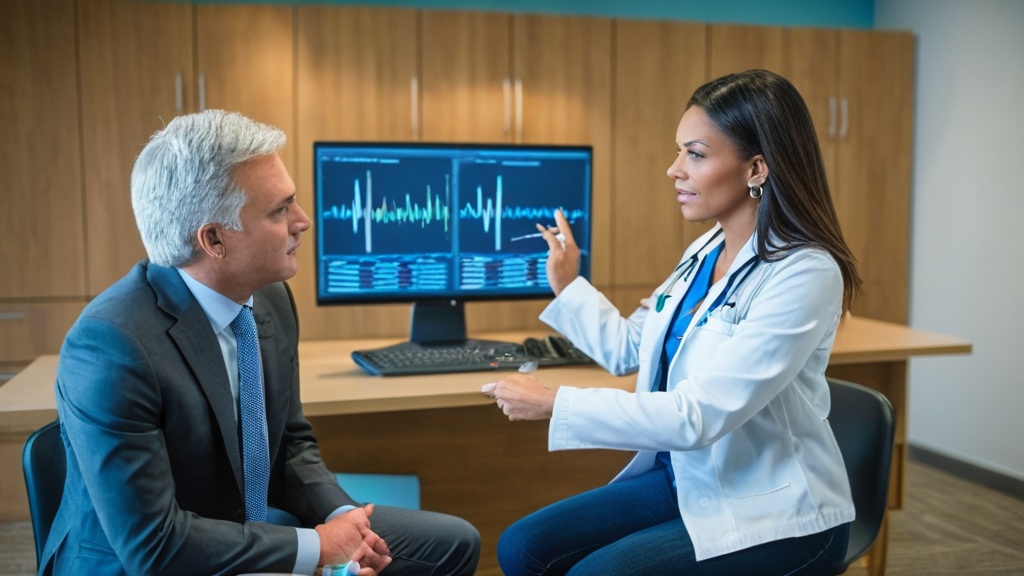
Seeking a Second Opinion for an Undiagnosed Condition


Imagine this: You’ve been feeling off for months. Doctors run tests, but nothing definitive emerges. Frustration mounts. Perhaps the answer is out there, waiting to be found.
Sometimes, medical mysteries linger. Your symptoms persist without a clear explanation. You’ve seen your doctor, and they’ve done what they can. Yet, you still don’t have a name for what’s troubling you. This can be an isolating and worrying experience.
The Frustration of the Unknown
Feeling unwell is difficult enough. Not knowing why adds a layer of stress. You might worry about your future health. You wonder if you are being taken seriously. This uncertainty impacts your daily life. It can affect your work and relationships.
When Initial Tests Don’t Provide Answers
Many common conditions have clear diagnostic markers. But, not all illnesses fit neatly into these categories. Sometimes, tests come back as “normal,” even though you feel far from it. This doesn’t mean your experience isn’t real. It simply means the cause is harder to pinpoint.
Why a Second Opinion Can Be Crucial
Seeking a second opinion is a smart step for complex health puzzles. It’s not about doubting your first doctor. It’s about ensuring you have the best possible chance for answers. An independent review can offer fresh perspectives. It can also confirm existing findings.
Experts Look for Different Clues
Different medical professionals have varied training and experience. A specialist at another institution might consider possibilities overlooked before. They may be familiar with rarer conditions or unusual presentations. This can be vital when your symptoms are complex.
Uncovering Overlooked Details
Sometimes, during a second opinion evaluation, a subtle detail is noticed. This might be a specific symptom you downplayed. It could be a pattern in your lab results. These small pieces can connect to form a clearer picture.
Confirming or Refining a Diagnosis
A second opinion can offer valuable confirmation. If another expert agrees with the initial diagnosis, it brings peace of mind. It can also refine it. You might learn your condition is a specific subtype. This can lead to more targeted treatment.
Navigating the Process Smoothly

Getting a second opinion involves thoughtful steps. You want to make the most of this opportunity. Planning ahead ensures you gather all necessary information. This helps the new doctor understand your history.
Gathering Your Medical Records
Your past medical history is essential. Collect all relevant test results, doctor’s notes, and imaging reports. This information provides a comprehensive view of your journey so far. Your current doctor can often help with this. They have copies of your records.
Choosing Where to Seek a Second Opinion
Consider academic medical centers or specialized clinics. These institutions often have experts in challenging cases. Programs like the Undiagnosed Conditions Program at Cedars-Sinai focus on these situations. Loyola Medicine also suggests asking for referrals to such centers.
Preparing for Your Appointment
Think about the questions you want to ask. Write them down before you go. Clearly explain your symptoms and history. Be open and honest about your concerns. This helps the new doctor get a full understanding.
What a Second Opinion Can Reveal

The insights gained from a second opinion can be significant. They can lead to a better understanding of your health. This improved clarity allows for more effective management.
Identifying Rare Conditions
Some conditions are rare and mimic more common illnesses. For instance, ALS symptoms can resemble multiple sclerosis or Parkinson’s. A specialist might recognize the subtle differences. This leads to a faster, more accurate diagnosis.
Unlocking New Treatment Paths
A refined or new diagnosis often opens doors to different treatments. What works for one condition might not be effective for another. Correct identification ensures you receive the most appropriate care. This can improve your quality of life.
Reducing Diagnostic Costs and Delays
While seeking a second opinion might incur additional costs initially, it can save money long-term. Avoiding incorrect treatments prevents wasted resources. It also cuts down on the time spent searching for answers. Early action is key to shorter diagnostic journeys.
When Your Doctor Recommends It
| Metrics | Data |
|---|---|
| Number of Cases | 100 |
| Success Rate | 75% |
| Average Time to Diagnosis | 30 days |
Your primary doctor may suggest a second opinion. They recognize when a case is complex. This is a sign of their commitment to your well-being. They want you to have the best care available.
Acknowledging Limitations
Doctors understand they can’t know everything. Sometimes, a specific symptom or lab result falls outside their immediate expertise. They might refer you to a specialist. This demonstrates professional integrity.
Collaboration for Your Benefit
Your doctor can help facilitate the second opinion process. They can provide referrals and forward your records. This collaborative approach ensures your care continues seamlessly. It focuses on finding the right answers for you.
Taking Proactive Steps for Your Health
Empowering yourself through seeking more information is vital. A second opinion is a tool for better health outcomes. It helps ensure you receive the most accurate diagnosis.
Understanding Your Rights as a Patient
You have the right to seek a second opinion. It’s a standard part of patient care. Feel confident in pursuing this option for your health. It’s a responsible and proactive choice.
Building a Comprehensive Care Team
A second opinion can expand your medical network. You gain access to more expertise. This can be reassuring as you manage your health. Building a trusted team is essential.
The Impact of a Refined Diagnosis
Numerous studies highlight the value of second opinions. Research from institutions like Mayo Clinic shows significant benefits. For complex cases, a refined diagnosis is common. It’s a powerful step towards better health.
Mayo Clinic Findings
A Mayo Clinic study found that in 88% of complex cases, second opinions led to a refined or new diagnosis. This often changed the treatment plan. It demonstrates the impact of expert review.
Yale Medicine Study Insights
Data cited by Yale Medicine shows that around 21% of second opinions resulted in a complete change of diagnosis. Another 66% saw refinements. These statistics underscore the value of a second look. This is especially true for rare conditions or when treatments aren’t working.
The Cedars-Sinai Approach
The Undiagnosed Conditions Program at Cedars-Sinai focuses on chronic, unexplained issues. They use multi-disciplinary panels to review cases. This approach ensures a thorough evaluation. It aims to bring clarity to challenging medical mysteries.
Actionable Steps for Seeking a Second Opinion
If you feel your diagnosis is uncertain, take action. Here are safe, evidence-based steps you can consider. Remember, this is not personal medical advice. Always consult with your doctor.
Talk to Your Current Doctor First
Discuss your desire for a second opinion with your current physician. Explain your concerns openly. They can offer insights and referrals. They will likely support your proactive approach.
Research Specialty Centers
Look for hospitals or clinics with strong reputations in your area of concern. Academic medical centers and specialized programs are excellent resources. Websites of major health organizations can offer guidance.
Prepare Your Questions Thoroughly
Before your appointment, jot down your symptoms, timeline, and any treatments tried. Write down your specific questions. This ensures you cover all vital points during your visit. It maximizes the benefit of the consultation.
Be Open and Honest
Share all your symptoms and medical history honestly. Don’t hold back any details, even if they seem minor. The more information the new doctor has, the better their assessment will be.
Finding Hope in Clarity
Undiagnosed conditions can be exhausting and disheartening. Seeking a second opinion offers a path toward answers. It’s a way to regain control of your health journey. It brings the possibility of a clearer diagnosis and a more effective path forward.
FAQs
What is a second opinion for an undiagnosed condition?
A second opinion for an undiagnosed condition is when a patient seeks the expertise of another healthcare provider to review their case and provide an alternative perspective on their condition. This can be helpful when the initial diagnosis is unclear or the patient is not satisfied with the treatment plan.
When should I consider seeking a second opinion for an undiagnosed condition?
It is advisable to seek a second opinion for an undiagnosed condition when the initial diagnosis is unclear, the treatment plan is not improving the symptoms, or if the patient feels uncertain about the diagnosis and wants to explore other options.
How do I go about getting a second opinion for an undiagnosed condition?
To get a second opinion for an undiagnosed condition, the patient can ask their primary care physician for a referral to another specialist or research and reach out to a specialist directly. It is important to gather all relevant medical records and test results to provide to the second opinion provider.
What are the benefits of seeking a second opinion for an undiagnosed condition?
Seeking a second opinion for an undiagnosed condition can provide the patient with a fresh perspective on their case, potentially leading to a more accurate diagnosis and effective treatment plan. It can also offer peace of mind and confidence in the chosen course of action.
Are there any potential drawbacks to seeking a second opinion for an undiagnosed condition?
One potential drawback of seeking a second opinion for an undiagnosed condition is the additional time and cost involved in consulting with another healthcare provider. Additionally, there may be conflicting opinions between the initial and second opinion providers, which can create confusion for the patient.