Uncovering Rare Disease: Symptom Checklist

Imagine a puzzle with missing pieces. For many, uncovering a rare disease feels just like that. Symptoms can be vague, varied, and often misinterpreted. This guide helps you put those pieces together, empowering you on your health journey.
Rare diseases affect a small percentage of the population. A disease is considered rare in the US if it affects fewer than 200,000 people. Globally, the definition can vary. Over 7,000 rare diseases exist, making diagnosis challenging.
Many rare diseases have genetic origins. Others stem from infections or environmental factors. Early diagnosis can significantly improve outcomes. It allows sooner access to appropriate treatments.
The Diagnostic Odyssey
Finding a diagnosis for a rare disease often takes time. This period is called the diagnostic odyssey. Patients may see multiple doctors. They might undergo many tests. This journey can be frustrating and isolating.
Long delays can occur. This can lead to worsening symptoms. It can also cause significant emotional distress. A proactive approach helps shorten this odyssey. Understanding common patterns helps significantly.
The Power of Symptom Tracking
Tracking symptoms is crucial. It provides valuable information for doctors. Consistent records show symptom progression. They reveal potential triggers or patterns. Detailed notes are more helpful than vague recollections.
Use clear, descriptive language. Note symptom onset and duration. Include frequency and intensity. This data forms a compelling narrative for your healthcare team. It guides them toward a diagnosis.
Effective Symptom Logging
A simple notebook works well. Digital tools offer more advanced options. The “Symptom Suitcase” is a European app for this. It helps users log symptoms in a diary format. It also alerts them to unusual combinations.
Consider a dedicated journal. Write down specific details. For example, instead of “headache,” write “throbbing headache on left side, 6/10 pain, started after waking, lasted 2 hours.” Note any associated symptoms. Did you feel nauseous? Were you sensitive to light?
Documenting Key Information
Maintain a health diary. Include all symptoms, however small. Log the dates and times. Note anything that triggers or relieves symptoms. This information is invaluable for doctors.
Record your child’s developmental milestones. Note any delays or regressions. This applies especially to pediatric rare diseases. Even seemingly unrelated details can paint a fuller picture.
Preparing for Doctor’s Visits

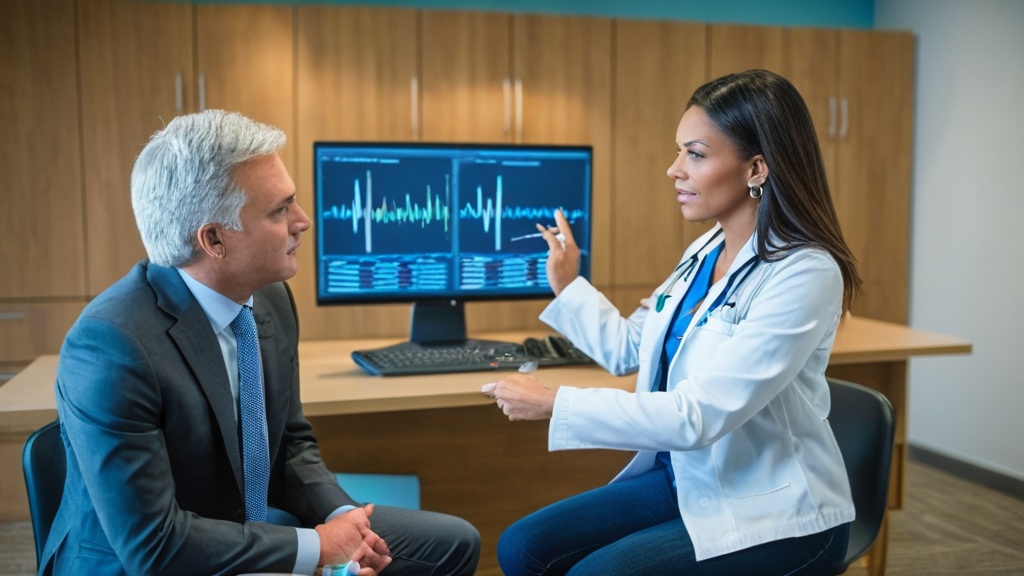
Doctor’s appointments can feel rushed. Preparation helps you maximize your time. Bring your symptom log. Prepare a list of questions. A clear summary helps your doctor.
Be concise and organized. Doctors appreciate clear communication. It helps them understand your situation faster. This leads to more focused conversations.
What to Bring
Always bring your symptom records. Include a list of current medications. Note any allergies. A summary of past medical history is also helpful. This helps avoid repeating information.
Gather previous test results if possible. Imaging reports or blood work are useful. You are a key player in your diagnostic journey. Empower yourself with information.
Communicating Clearly
Describe your symptoms precisely. Use simple terms. Avoid medical jargon unless it’s accurate. If you do not understand something, ask for clarification.
Share your biggest concerns first. This ensures critical issues are addressed. Be honest about how symptoms impact your life. Your perspective is vital.
Leveraging Technology for Diagnosis
Technology advances the rare disease field. New tools help identify patterns. AI-powered resources support both patients and clinicians. These innovations speed up diagnosis.
Organizations like NORD partner with tech companies. They expand access to trusted resources. This collaboration benefits the entire rare disease community. It offers hope for faster answers.
AI in Rare Disease Recognition
Artificial intelligence (AI) analyzes vast data sets. It identifies subtle symptom connections. AI can recognize rare disease patterns. This happens faster than human observation alone.
NORD and OpenEvidence partnered in March 2026. This collaboration helps clinicians and patients. They gain access to expert-reviewed rare disease resources. This support is critical.
Digital Symptom Checkers
Some apps offer symptom input tools. “Touch RD” is one example from Screen4CARE. It allows users to input their symptoms. “Talk RD” translates symptoms into clinical descriptions. These tools bridge communication gaps.
They empower patients to articulate their experiences. They provide clinicians with standardized information. This ultimately streamlines the diagnostic process. Such tools are becoming more refined.
Collaborative Care and Advocacy
“`html
| Symptom | Frequency | Severity |
|---|---|---|
| Fatigue | High | Moderate |
| Pain | Medium | Severe |
| Shortness of breath | Low | Mild |
| Weakness | High | Severe |
“`
Finding a rare disease diagnosis is a team effort. You, your family, and your doctors form this team. Advocacy plays a significant role. Being your own advocate is empowering.
Family and friends can offer support. They can help with appointments or research. Remember, you do not have to navigate this alone. Seek out communities and support networks.
Finding Specialists
Rare diseases often require specialized care. You may need to see multiple specialists. A neurologist, geneticist, or immunologist might be involved. Your primary care doctor can provide referrals.
Research specialists with rare disease experience. They possess unique knowledge. Their expertise can be invaluable. Do not hesitate to seek second opinions.
Connecting with Patient Communities
Online rare disease communities offer support. Patients and families share experiences. They provide practical advice. These groups reduce feelings of isolation.
The National Organization for Rare Disorders (NORD) offers resources. They connect patients with advocacy groups. They also provide information on specific conditions. Connecting with others who understand is truly powerful.
Remember, the journey to a rare disease diagnosis can be long. Your diligence in tracking symptoms is invaluable. Technology offers new avenues for support. Advocacy and collaboration are key to finding answers.
FAQs
What is a rare disease symptom checklist?
A rare disease symptom checklist is a tool used to help individuals and healthcare professionals identify potential symptoms of rare diseases. It typically includes a list of symptoms commonly associated with rare diseases, allowing for early detection and diagnosis.
How can a rare disease symptom checklist be used?
A rare disease symptom checklist can be used by individuals to track and monitor their symptoms, and by healthcare professionals to aid in the diagnostic process. It can also serve as a reference tool for identifying potential rare diseases based on observed symptoms.
What are some common symptoms included in a rare disease symptom checklist?
Common symptoms included in a rare disease symptom checklist may vary, but can include unexplained weight loss, chronic pain, fatigue, cognitive impairment, gastrointestinal issues, and neurological symptoms. These symptoms may be indicative of an underlying rare disease.
Where can I find a rare disease symptom checklist?
Rare disease symptom checklists can be found online through reputable healthcare websites, patient advocacy organizations, and rare disease research institutions. They may also be available through healthcare providers or rare disease support groups.
Is a rare disease symptom checklist a diagnostic tool?
A rare disease symptom checklist is not a diagnostic tool on its own, but rather a resource to aid in the identification and monitoring of potential rare disease symptoms. It should be used in conjunction with medical evaluation and consultation with healthcare professionals for accurate diagnosis and treatment.