Phenotyping Methods for Rare Conditions


Rare conditions, often referred to as orphan diseases, affect a small percentage of the population. While each individual condition may seem isolated, collectively, they impact millions worldwide. For instance, cystic fibrosis affects about 30,000 people in the United States alone. These conditions can be challenging to diagnose and treat due to their unique characteristics and limited research.
Understanding rare conditions is crucial for improving patient outcomes. Many patients face long diagnostic journeys, often seeing multiple specialists before receiving a correct diagnosis. This delay can lead to unnecessary suffering and complications. By focusing on rare conditions, we can enhance awareness, research, and ultimately, patient care.
Key Takeaways
- Phenotyping is crucial for accurate diagnosis and understanding of rare conditions.
- Multiple methods, including clinical, genetic, imaging, omics-based, and functional phenotyping, are used to characterize rare diseases.
- Phenotyping faces challenges such as limited patient data and complexity of rare conditions.
- Effective phenotyping improves patient management and guides personalized treatment strategies.
- Future advancements aim to integrate diverse phenotyping approaches for better diagnosis and therapy development.
Importance of Phenotyping for Rare Conditions
Phenotyping plays a vital role in understanding rare conditions. It involves characterizing the observable traits and symptoms of a disease. This process helps clinicians identify specific conditions and tailor treatments accordingly. For example, phenotyping can reveal variations in symptoms among patients with the same genetic disorder, leading to more personalized care.
Moreover, phenotyping aids in the classification of diseases. By grouping patients based on their phenotypic traits, researchers can identify patterns and potential underlying causes. This classification can lead to better-targeted therapies and improved clinical trials. In essence, phenotyping bridges the gap between genetics and clinical practice.
Clinical Phenotyping Methods
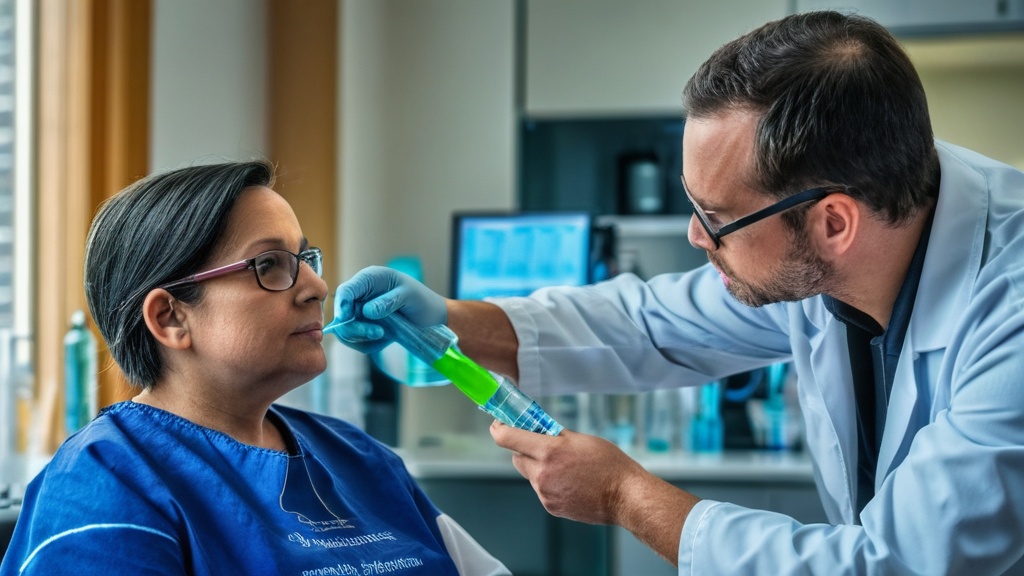
Clinical phenotyping methods focus on gathering detailed patient histories and physical examinations. Clinicians assess symptoms, family history, and environmental factors to create a comprehensive profile of the patient. For instance, a doctor might note specific symptoms like muscle weakness or joint pain in a patient suspected of having a rare neuromuscular disorder.
Standardized assessment tools also play a crucial role in clinical phenotyping. These tools help ensure consistency in data collection across different healthcare settings. For example, the use of validated questionnaires can help capture the severity of symptoms and their impact on daily life. This structured approach enhances the reliability of the data collected.
Genetic Phenotyping Methods
Genetic phenotyping methods focus on identifying genetic variations associated with rare conditions. Techniques such as whole-exome sequencing allow researchers to analyze a patient’s entire coding region of DNThis method can uncover mutations that contribute to rare diseases, providing insights into their underlying mechanisms.
Additionally, genetic phenotyping can help establish inheritance patterns within families. By studying affected and unaffected family members, researchers can determine whether a condition is inherited or sporadic. This information is invaluable for genetic counseling and risk assessment for future generations.
Imaging Phenotyping Methods
| Phenotyping Method | Description | Advantages | Limitations | Application in Rare Conditions |
|---|---|---|---|---|
| Clinical Examination | Physical and medical assessment by clinicians to identify phenotypic traits. | Direct observation; cost-effective; widely accessible. | Subjective; may miss subtle or internal phenotypes. | Initial diagnosis and characterization of rare disorders. |
| Imaging Techniques (MRI, CT, Ultrasound) | Non-invasive visualization of internal structures and organs. | Detailed anatomical information; detects structural abnormalities. | Expensive; requires specialized equipment and expertise. | Identifying organ-specific phenotypes in rare syndromes. |
| Genomic Sequencing (WES, WGS) | Sequencing of exomes or whole genomes to identify genetic variants. | High resolution; identifies causative mutations. | Data interpretation complexity; may not capture epigenetic factors. | Linking genotype to phenotype in rare genetic diseases. |
| Metabolomics | Analysis of metabolites in biological samples to profile biochemical changes. | Detects functional biochemical alterations; non-invasive sampling. | Complex data analysis; influenced by environment and diet. | Characterizing metabolic rare disorders and biomarkers. |
| Proteomics | Study of protein expression and modifications in cells or tissues. | Provides insight into functional protein changes. | Technically challenging; requires high-quality samples. | Understanding molecular mechanisms in rare diseases. |
| High-throughput Phenotyping Platforms | Automated systems for large-scale phenotypic data collection. | Standardized data; scalable for multiple samples. | High cost; limited to measurable traits. | Screening and characterization in rare disease research. |
| Patient-reported Outcome Measures (PROMs) | Questionnaires and surveys capturing patient symptoms and quality of life. | Captures subjective experience; easy to administer. | Potential bias; relies on patient literacy and compliance. | Assessing impact of rare conditions on daily living. |
Imaging phenotyping methods utilize advanced imaging technologies to visualize structural and functional changes in the body. Techniques like MRI and CT scans can reveal abnormalities in organs or tissues associated with rare conditions. For example, an MRI might show specific brain changes in patients with certain neurodegenerative disorders.
These imaging techniques provide objective data that complements clinical assessments. They can help track disease progression over time and evaluate treatment responses. By integrating imaging findings with clinical and genetic data, healthcare providers can develop a more comprehensive understanding of a patient’s condition.
Omics-based Phenotyping Methods
Omics-based phenotyping methods encompass various high-throughput technologies that analyze biological molecules on a large scale. Genomics, proteomics, metabolomics, and transcriptomics are key components of this approach. For instance, genomics examines DNA sequences, while proteomics focuses on protein expression levels.
These methods allow researchers to explore complex biological interactions that contribute to rare conditions. By analyzing multiple layers of biological data, scientists can identify potential biomarkers for diagnosis or treatment response. This holistic view enhances our understanding of disease mechanisms and paves the way for innovative therapies.
Functional Phenotyping Methods
Functional phenotyping methods assess how well an individual’s body systems are working in real-time. These methods often involve physiological tests that measure responses to specific stimuli or challenges. For example, pulmonary function tests can evaluate lung capacity and airflow in patients with rare respiratory disorders.
Functional assessments provide valuable insights into how a disease affects daily life.
They help clinicians understand the functional limitations patients experience and guide treatment decisions.
By focusing on functionality, healthcare providers can prioritize interventions that improve quality of life.
Challenges in Phenotyping Rare Conditions
Phenotyping rare conditions presents several challenges. One significant hurdle is the lack of standardized protocols across different healthcare settings. Variability in data collection methods can lead to inconsistent results, making it difficult to compare findings across studies.
Additionally, limited patient populations pose another challenge. With few individuals affected by each rare condition, recruiting enough participants for research studies can be difficult. This scarcity hampers the ability to draw robust conclusions about disease mechanisms or treatment efficacy.
Advantages of Phenotyping for Rare Conditions
Despite these challenges, phenotyping offers numerous advantages for rare conditions. It enhances diagnostic accuracy by providing detailed information about symptoms and their variations among patients. This precision allows for more targeted treatments tailored to individual needs.
Furthermore, phenotyping fosters collaboration among researchers and clinicians. By sharing phenotypic data through registries or databases, experts can identify trends and potential therapeutic targets more effectively. This collaborative approach accelerates research progress and ultimately benefits patients.
Future Directions in Phenotyping for Rare Conditions
The future of phenotyping for rare conditions looks promising with advancements in technology and research methodologies. Integrating artificial intelligence (AI) into phenotyping processes could revolutionize data analysis. AI algorithms can identify patterns in large datasets that may not be apparent to human researchers.
Moreover, increased collaboration between geneticists, clinicians, and researchers will enhance our understanding of rare diseases. Initiatives like global registries will facilitate data sharing and promote standardized phenotyping practices across borders. These efforts will ultimately lead to improved diagnostics and treatments for patients with rare conditions.
Phenotyping plays a crucial role in advancing our understanding of rare conditions. By characterizing observable traits and integrating various methodologies, we can improve diagnosis and treatment options for affected individuals. Despite challenges such as standardization and limited patient populations, the advantages of phenotyping are clear.
As we look to the future, embracing technological advancements and fostering collaboration will be key to overcoming these obstacles. With continued efforts in research and clinical practice, we can enhance the lives of those affected by rare conditions and pave the way for innovative therapies that address their unique needs.
FAQs
What is phenotyping in the context of rare conditions?
Phenotyping refers to the process of observing and documenting the physical, biochemical, and clinical characteristics of individuals with rare conditions. It helps in understanding the manifestations and variations of these conditions.
Why are phenotyping methods important for rare conditions?
Phenotyping methods are crucial because they enable accurate diagnosis, improve understanding of disease mechanisms, guide treatment decisions, and facilitate research into rare conditions that often have limited data available.
What are common phenotyping methods used for rare conditions?
Common methods include clinical examination, imaging techniques (such as MRI or CT scans), biochemical assays, genetic testing, and the use of standardized clinical assessment tools to systematically record symptoms and signs.
How does genetic testing complement phenotyping in rare conditions?
Genetic testing identifies specific mutations or genetic variations associated with rare conditions, while phenotyping provides detailed information about how these genetic changes manifest clinically. Together, they offer a comprehensive understanding of the condition.
What challenges exist in phenotyping rare conditions?
Challenges include limited patient numbers, variability in symptom presentation, lack of standardized assessment protocols, and difficulties in accessing advanced diagnostic tools, all of which can complicate accurate and consistent phenotyping.