Understanding Nail–Patella Syndrome: Causes and Treatments

Imagine a blueprint for building you. Sometimes, a tiny change in that blueprint can lead to unique features. Nail–Patella Syndrome (NPS) is one such example. It’s a rare genetic condition. It affects bones, joints, and kidneys.
Nail–Patella Syndrome (NPS) is a genetic disorder. It affects parts of the body. These include nails, knees, elbows, and kidneys. It is also known as Fong disease. About 1 in 50,000 people have NPS.
The Genetic Cause
NPS comes from a gene mutation. The gene is called LMX1B. This gene sits on chromosome 9q34. A mutation means a change in its code. This change disrupts normal development.
The LMX1B gene is like a master conductor. It guides the formation of specific body parts. A faulty LMX1B gene leads to the features seen in NPS. This understanding is key. It helps us know why NPS manifests as it does. It is not something you did.
How it’s Inherited
NPS follows an autosomal dominant pattern. This means only one copy of the changed gene is needed. You can inherit it from just one parent. If a parent has NPS, each child has a 50% chance. The condition’s severity varies greatly. One person might have mild symptoms. Another might have more pronounced problems. There’s usually no direct link between a specific mutation and symptom severity. However, isolated kidney disease might show a correlation.
Common Features of Nail–Patella Syndrome
NPS primarily affects several systems. These features are often present from birth. They can range from subtle to quite visible.
Nail Abnormalities
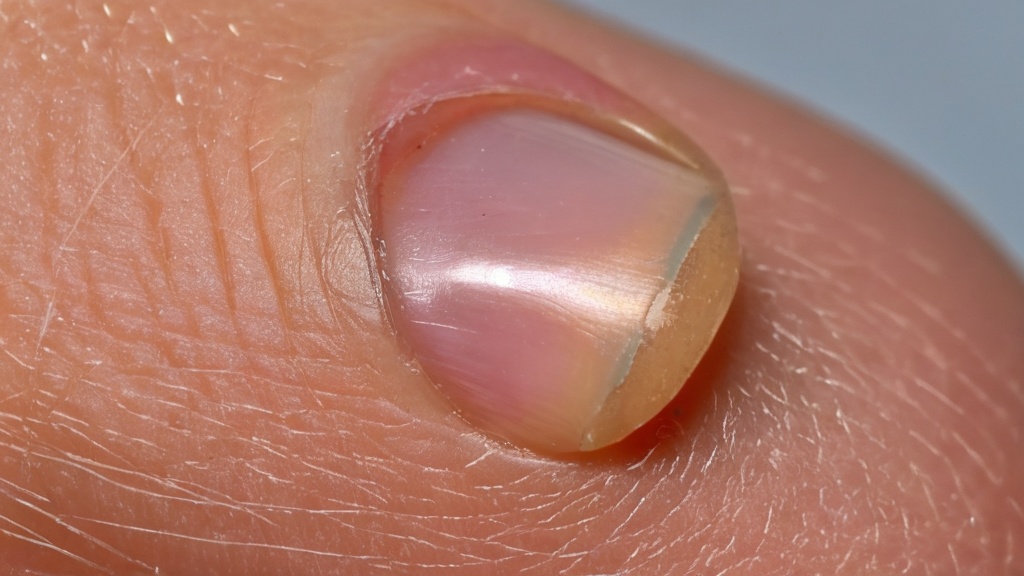
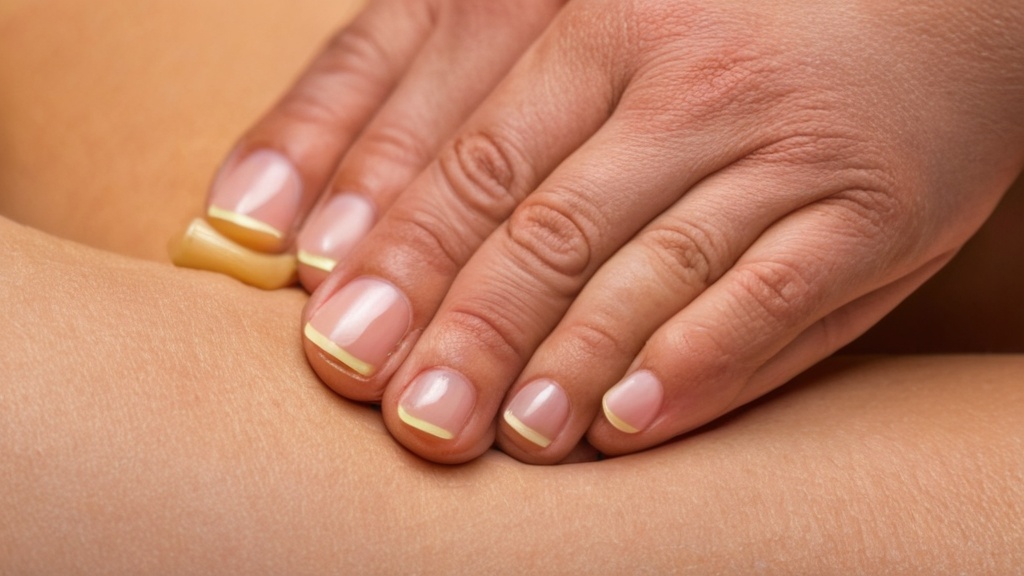
Almost everyone with NPS has nail issues. About 98% of people show nail dysplasia. This means abnormal nail growth. Fingernails are more commonly affected. The thumbnails often show the most changes.
Imagine your nails as small canvases. In NPS, these canvases might be small or discolored. They might have ridges or pits. Sometimes, parts of the nail are missing. This can affect daily tasks, like picking up small objects.
Patellar and Joint Problems
Knee problems are very common. Up to 90% of individuals have patellar instability. The patella is your kneecap. It can move out of place or be underdeveloped. This can lead to pain and difficulty walking.
Think of your kneecap like a train on a track. In NPS, the track might be bumpy or too wide. The train (your kneecap) can derail easily. This can cause discomfort or even dislocation. Elbows can also have limited movement. This might affect how you bend your arm.
Iliac Horns
Iliac horns are a unique bone feature. They are bony growths on the pelvis. Specifically, they grow from the ilium. These are usually harmless. They don’t typically cause pain.
These horns are often found by X-ray. They are a strong indicator of NPS. They look like small, backward-pointing spurs. They don’t usually require treatment.
Kidney Involvement
About 40% of people with NPS develop kidney issues. This is called renal nephropathy. The kidneys filter waste from your blood. When affected, they might not work as well.
Kidney problems can range from mild protein leakage to severe kidney failure. Regular kidney checks are very important. Think of your kidneys as your body’s purification system. If this system is compromised, toxins can build up.
Eye Conditions
Some people with NPS develop eye problems. Glaucoma is one such condition. This involves pressure buildup inside the eye. It can damage the optic nerve. Regular eye exams are crucial. Early detection helps manage the condition.
Diagnosing Nail–Patella Syndrome
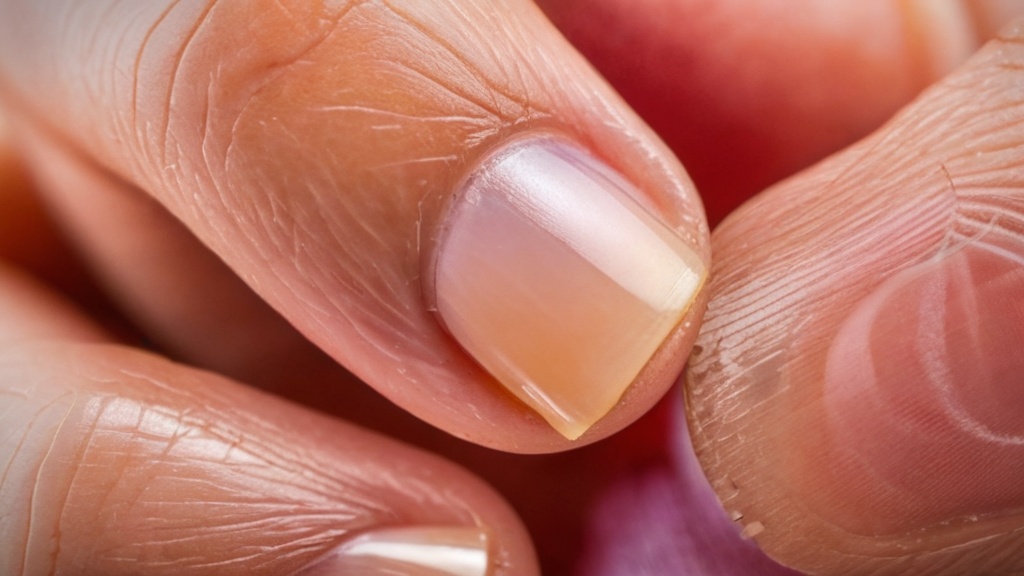
Diagnosis usually involves a careful look at symptoms. A doctor will typically perform a physical examination. They will also review your family history.
Clinical Examination
A doctor will check your nails. They will look at your knees and elbows. They might ask about any pain or instability. They will also inquire about kidney issues. This initial check-up helps guide further steps.
Imaging Studies
X-rays are often used. They can show patellar issues. They can also reveal iliac horns. These images provide clear views of bone structure. They are like taking an internal photograph of your skeleton.
Genetic Testing
Genetic testing confirms the diagnosis. It identifies the LMX1B mutation. This is a definitive way to confirm NPS. Genetic counseling can also be helpful. It helps families understand inheritance patterns.
Managing Nail–Patella Syndrome
There is no cure for NPS. This is because it stems from a developmental gene mutation. Treatment focuses on managing symptoms. It aims to improve quality of life.
Orthopedic Care
For knee pain or instability, orthopedic surgery might be an option. Surgeons can help stabilize the kneecap. Operations like vastus medialis advancement help achieve this. Lateral release is another procedure. These surgeries can improve knee function.
One patient had successful knee surgery. Their kneecap was very unstable. The surgeons realigned the patella. They strengthened the surrounding muscles. This improved their mobility significantly. Follow-ups showed good results for many years.
Physical therapy is also vital. It strengthens muscles around affected joints. Strong muscles can help support unstable joints. This can reduce pain and improve function.
Renal Monitoring
Regular kidney function tests are important. These include blood and urine tests. They help detect problems early. Early detection allows for prompt intervention. This can slow the progression of kidney disease. Your doctor might suggest specific diets. They might also prescribe medications.
Eye Care
If glaucoma is present, eye drops or surgery might be needed. Regular check-ups with an ophthalmologist are crucial. This helps monitor eye pressure. It helps preserve vision.
Multidisciplinary Approach
NPS management often involves several specialists. A team of doctors works together. This might include orthopedists, nephrologists, and ophthalmologists. This comprehensive approach ensures all aspects are addressed. It is like having a coordinated pit crew for your body. This team provides holistic care.
Living with Nail–Patella Syndrome
| Metric | Details |
|---|---|
| Prevalence | Approximately 1 in 50,000 live births |
| Genetic Cause | Mutations in the LMX1B gene |
| Inheritance Pattern | Autosomal dominant |
| Common Nail Abnormalities | Absent, hypoplastic, or dystrophic nails, especially thumbnails |
| Patella Abnormalities | Absent, hypoplastic, or dislocated patellae |
| Other Skeletal Features | Elbow dysplasia, iliac horns (bony projections on pelvis) |
| Renal Involvement | Proteinuria in 30-50% of patients; risk of nephropathy |
| Ocular Features | Open-angle glaucoma risk increased |
| Diagnosis | Clinical evaluation, genetic testing for LMX1B mutations |
| Treatment | Symptomatic management; monitoring of kidney function and eye health |
Living with NPS involves ongoing care and monitoring. It also means self-advocacy. Understanding your condition empowers you.
Regular Check-ups
Consistent medical appointments are essential. Regular visits monitor symptoms. They help prevent complications. This proactive approach supports long-term health.
Lifestyle Adjustments
Gentle exercise can strengthen muscles. Avoid activities that strain affected joints. Listen to your body’s signals carefully. A balanced diet supports general health. Staying hydrated is always good.
Support Networks
Connecting with others who have NPS can be beneficial. Support groups offer shared experiences. They provide emotional support. You are not alone on this journey. Seek out patient organizations. They often have valuable resources.
Empowering Yourself
Learn as much as you can about NPS. Ask your doctors questions. Keep a record of your symptoms and treatments. This knowledge makes you an active partner in your care. An informed patient is an empowered patient. It helps you make the best decisions for your health. NPS is part of you, but it does not define you. Focus on living a full and meaningful life.
FAQs
What is Nail–Patella syndrome?
Nail–Patella syndrome (NPS) is a rare genetic disorder that primarily affects the nails, bones, and joints. It is characterized by abnormalities in the fingernails and toenails, underdeveloped or absent kneecaps (patellae), and other skeletal anomalies.
What causes Nail–Patella syndrome?
Nail–Patella syndrome is caused by mutations in the LMX1B gene. This gene plays a crucial role in the development of limbs, kidneys, and eyes. The condition is inherited in an autosomal dominant pattern, meaning only one copy of the mutated gene is needed to cause the disorder.
What are the common symptoms of Nail–Patella syndrome?
Common symptoms include absent or underdeveloped nails, especially on the thumbs; small or missing kneecaps; elbow abnormalities; and kidney problems. Some individuals may also experience glaucoma or other eye issues.
How is Nail–Patella syndrome diagnosed?
Diagnosis is typically based on clinical examination of physical features such as nail and skeletal abnormalities. Genetic testing can confirm mutations in the LMX1B gene. Imaging studies like X-rays may be used to assess bone structure.
Is there a treatment for Nail–Patella syndrome?
There is no cure for Nail–Patella syndrome, but treatment focuses on managing symptoms and complications. This may include physical therapy for joint issues, monitoring and treating kidney problems, and regular eye exams to detect glaucoma early.