Understanding Adducted Thumb Syndrome

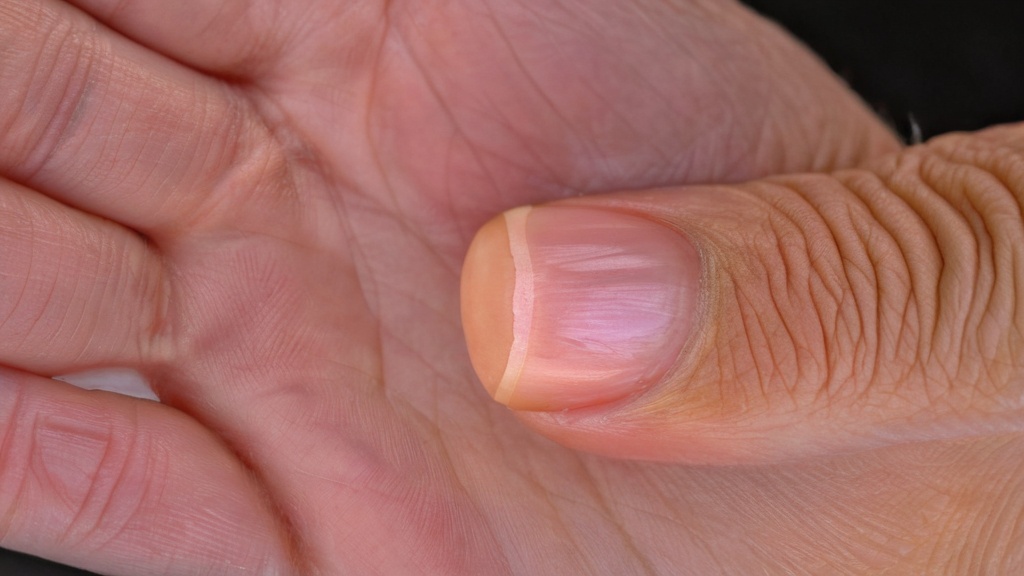
Imagine holding your baby’s tiny hand. What if their thumb naturally rested against their palm? This isn’t just a natural position. It can be a sign of something called adducted thumb syndrome. This condition affects how a baby’s hand develops. Let’s explore what it means.
Adducted thumb syndrome is a medical term. It describes a specific way a baby’s thumb can be positioned. The thumb pulls inward. It stays close to the palm. This can happen on one or both hands.
A Closer Look at the Thumb
The thumb usually has a wide range of motion. It can move away from the fingers. It can also bend. In adducted thumb syndrome, this movement is limited. The thumb is stuck in a bent position.
More Than Just a Thumb
This condition often affects more than just the thumb. It can be part of a larger set of health issues. Doctors look at the whole picture. They consider other symptoms. This helps them understand the condition better.
Types and Variations
Adducted thumb syndrome is not one single disorder. It can appear in different forms. Some are more common than others. Understanding these variations helps with diagnosis. It also guides treatment approaches.
Christian Type Syndrome
One specific type is Christian type syndrome. This is also known as adducted thumbs-arthrogryposis syndrome. It is a rare condition. It has been linked to several genetic factors.
Key Features of Christian Type
This syndrome often presents with a combination of signs. You might see a cleft palate. Microcephaly, a smaller head size, is also possible. Arthrogryposis is a frequent feature. This means joint contractures. These affect the thumbs. They also impact other joints, like the feet.
Autosomal Recessive Inheritance
Christian type syndrome follows an autosomal recessive pattern. This means both parents must carry a gene for the condition. They may not show symptoms themselves. But they can pass the gene to their child. There have been no new cases reported since 1983. This highlights its extreme rarity.
Congenital Clasped Thumb Variant
Another variation is the congenital clasped thumb. This is a progressive problem. The thumb’s ability to extend weakens. The muscles that pull it inward become tighter.
Progressive Deformity
This type can worsen over time. It starts early in life. Early diagnosis is important. It can sometimes be missed in the first few months. This is because the signs might be subtle.
Genetic Link and Testing
Research has identified a potential gene link. This specific variant is linked to the ECEL1 gene. Genetic testing can help confirm the diagnosis. This offers a clear path for identification.
Adducted Thumb Associated with Hydrocephalus
In some rare instances, adducted thumb is seen with other conditions. One such association is with X-linked hereditary hydrocephalus (XLH). Hydrocephalus means excess fluid in the brain.
Prenatal Detection
Recent reports show prenatal diagnosis possibilities. For example, a 202? report identified XLH. A fetal MRI revealed hydrocephalus. It also showed an adducted thumb. This diagnosis was confirmed after birth.
Aqueduct Stenosis Connection
This form is linked to a blockage. It’s a problem with the aqueduct of Sylvius. This is a small channel in the brain. It helps cerebrospinal fluid flow. When it’s narrowed (stenosis), fluid builds up.
Causes and Genetics
The exact causes of adducted thumb syndrome can vary. Genetics plays a significant role. Different genes are implicated in different types. Understanding the genetic basis is key. It helps in counseling families.
Genetic Basis of Adducted Thumb
When a baby inherits specific gene variations, it can lead to adducted thumb syndrome. These variations act like error messages. They disrupt the normal development of hand structures. It’s like a blueprint for building has a typo.
Autosomal Recessive Inheritance Explained
As mentioned for Christian type, autosomal recessive inheritance means two copies of a faulty gene are needed. Each parent carries one copy. They are carriers. Their child inherits one copy from each. This results in the condition.
X-Linked Inheritance Possibilities
For some associated conditions, like certain types of hydrocephalus, X-linked inheritance patterns can occur. This involves genes on the X chromosome. It impacts boys and girls differently. This is another complex puzzle piece.
Diagnosis and Identification
Identifying adducted thumb syndrome requires careful observation. Doctors look for specific physical signs. They also consider the child’s overall development. Medical imaging can sometimes help.
Physical Examination
A pediatrician or a specialist can spot adducted thumbs. They note the thumb’s position. They also check for limited movement. The skin around the thumb might appear tight.
Medical History and Family History
A thorough medical history is essential. Questions about the pregnancy are important. Family history can reveal genetic predispositions. This includes any similar conditions in relatives.
Imaging Techniques
Sometimes, imaging studies are used. X-rays can show bone development. MRI scans might be used for associated brain issues. These tools provide a clearer view of internal structures.
Genetic Testing
For certain types of adducted thumb syndrome, genetic testing is available. This involves analyzing a child’s DNA. It can confirm specific gene mutations. This offers a definitive diagnosis method for some forms.
Management and Support
| Metric | Details |
|---|---|
| Condition Name | Adducted Thumb Syndrome (also known as Freeman-Sheldon Syndrome) |
| Genetic Inheritance | Autosomal dominant or sporadic mutations |
| Primary Symptoms | Adducted thumbs, camptodactyly, facial abnormalities, scoliosis |
| Incidence Rate | Rare; estimated less than 1 in 1,000,000 live births |
| Commonly Affected Systems | Musculoskeletal and craniofacial |
| Diagnostic Methods | Clinical examination, genetic testing (MYH3 gene mutations) |
| Treatment Options | Physical therapy, surgical correction, supportive care |
| Prognosis | Variable; depends on severity and associated complications |
When adducted thumb syndrome is diagnosed, support is available. The focus is on improving hand function. It also addresses any related health concerns. Early intervention can make a difference.
Therapy and Rehabilitation
Physical therapy is a cornerstone of management. Therapists use exercises to improve thumb movement. They work on stretching tight muscles. They also strengthen weaker ones.
Therapeutic Goals
The aim is to increase thumb abduction. This means moving the thumb away from the palm. It helps with grasping. It improves fine motor skills. The goal is to make daily tasks easier.
Splinting and Bracing
Sometimes, splints or braces are used. These devices help hold the thumb in a more functional position. They can gently stretch the tissues. They are often used alongside therapy.
Surgical Interventions
In some cases, surgery might be considered. This is usually for severe cases. It aims to release tight tissues. It can also involve tendon transfers. This helps restore thumb function.
When Surgery Is Considered
Surgery is carefully planned. It depends on the specific type. It also depends on the severity of the deformity. The doctor will discuss all options. They will explain potential benefits and risks.
Addressing Associated Conditions
If other health issues are present, they are managed separately. This might involve specialists. For example, a neurologist might manage seizures. A cleft palate surgeon would address that.
Long-Term Outlook and Research
The long-term outlook for adducted thumb syndrome varies greatly. It depends on the specific type. It also depends on the severity. Ongoing research seeks to understand more.
Research on Adducted Thumbs-Arthrogryposis Syndrome
As noted, Christian type syndrome is extremely rare. No new cases have been reported in decades. This makes extensive research challenging. However, existing cases provide valuable insights. They help doctors recognize the signs.
Advancements in Genetic Understanding
Genetic research continues to uncover new information. Identifying genes like ECEL1 is crucial. It opens doors for more targeted diagnostics. It may also lead to future treatments.
Importance of Early Detection
Early identification is key for optimal outcomes. Even without a cure for some forms, early management can help. It maximizes a child’s potential. It supports their development.
Understanding adducted thumb syndrome is a journey. It involves recognizing signs. It involves genetic insights. And it involves dedicated support. By knowing more, we can better help those affected.
FAQs
What is Adducted Thumb Syndrome?
Adducted Thumb Syndrome is a rare congenital condition characterized by the thumb being permanently bent inward toward the palm, limiting its movement and function.
What causes Adducted Thumb Syndrome?
The syndrome is typically caused by genetic mutations affecting the development of muscles, tendons, or nerves in the hand, leading to the thumb being held in an adducted position.
How is Adducted Thumb Syndrome diagnosed?
Diagnosis is usually made through physical examination of the hand, patient history, and sometimes confirmed with imaging studies or genetic testing to identify underlying causes.
What treatment options are available for Adducted Thumb Syndrome?
Treatment may include physical therapy, splinting, or surgical intervention to improve thumb mobility and function, depending on the severity of the condition.
Can Adducted Thumb Syndrome affect hand function?
Yes, the syndrome can significantly impact hand function, making it difficult to grasp or manipulate objects, which may affect daily activities and quality of life.