Navigating Rare Diseases: Support Resources for Patients


Imagine receiving a diagnosis that feels like a foreign language. A rare disease can bring isolation. But you are not alone. Many resources exist to help you navigate this journey. This article explores those vital support systems.
A rare disease affects a small number of people. Often, these conditions are chronic. They may present with complex symptoms. Learning about your specific condition is the first step. This knowledge empowers you and your loved ones.
The Importance of Accurate Information
Reliable sources are crucial for understanding a rare disease. Scientific studies offer in-depth details. Public health organizations provide consensus-based guidance. Academic research delves into the latest findings. Websites from reputable groups can be invaluable resources.
Communicating with Your Healthcare Team
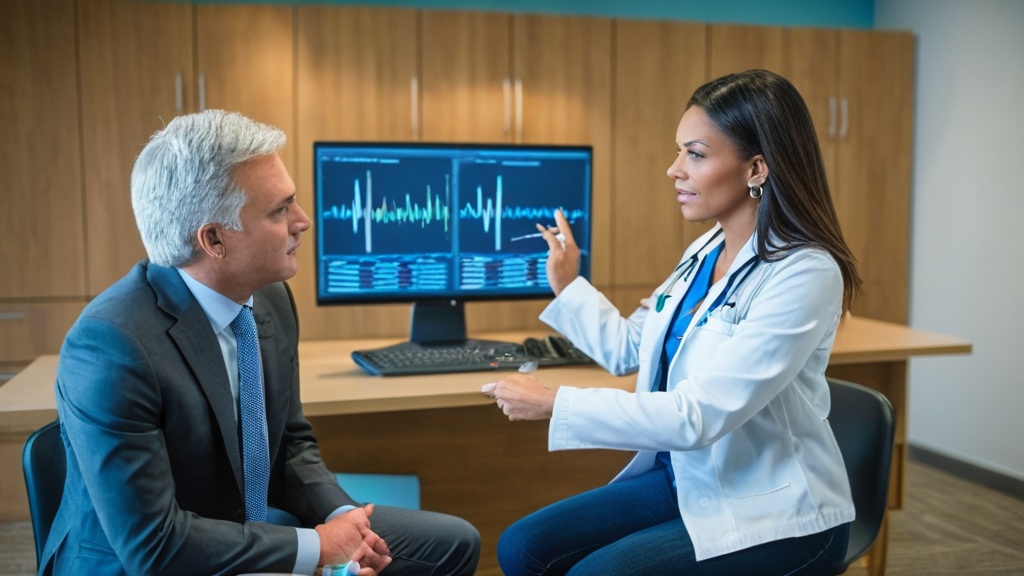
Clearly explaining your symptoms is essential. Prepare questions before appointments. Bring a list of your medications. Discuss potential specialists. Open communication builds a strong partnership.
Finding Community and Connection
Living with a rare disease can feel isolating. Connecting with others who understand your experience is vital. Support groups offer shared knowledge and emotional comfort. These communities provide a sense of belonging.
National Rare Disease Organizations
Organizations like the National Organization for Rare Disorders (NORD) offer extensive support. They provide patient assistance programs. These programs can help with medication costs. They also offer travel assistance for treatment. NORD connects patients with Centers of Excellence. These are specialized medical facilities.
Disease-Specific Support Groups
Many rare diseases have dedicated support groups. These groups focus on specific conditions. They are often run by patients themselves. You can find them online or in your local area. These groups share personal stories and practical advice. They may also organize local events.
Online Forums and Social Media
The internet offers numerous online forums. These platforms allow real-time interaction. You can connect with others instantly. Social media groups can also be helpful. Be mindful of the information shared. Always verify critical details with your doctor.
Accessing Financial Assistance and Resources

The costs associated with rare diseases can be high. Many organizations offer financial aid. These programs can alleviate some of the burden. Exploring these options is important.
Patient Assistance Programs
NORD offers programs to help with medication costs. This is especially helpful for expensive treatments. Other foundations provide travel grants. These grants can cover expenses for medical appointments. They can also help with lodging.
Grants and Funding Opportunities
Research foundations sometimes offer grants. These grants can fund research projects. They can also support patient initiatives. Keep an eye on announcements from relevant organizations. The UMDF and Mito Foundation offer grants. These are for students and researchers.
Fundraising for Medical Needs
If immediate needs arise, fundraising can be an option. Online platforms make this accessible. Community support can make a significant difference. Remember to clearly communicate your needs.
Advocating for Yourself and Others
Your voice matters in the rare disease community. Advocacy brings awareness and drives change. It can improve access to care and research. Patient stories are powerful tools for advocacy.
Understanding Policy and Advocacy Efforts
Organizations like the EveryLife Foundation focus on policy. They work to improve diagnosis and treatment access. Policy advocacy involves communicating with lawmakers. This aims to create supportive legislation. Rare Disease Week is a key event for this.
Participating in Awareness Campaigns
Rare Disease Day is celebrated annually. It falls on the last Saturday of February. Many organizations participate. They promote awareness through events and campaigns. Joining these campaigns amplifies their impact. You can share your story or volunteer.
Engaging with Research and Clinical Trials
Your participation can advance medical knowledge. Clinical trials test new treatments. They offer hope for future therapies. Discuss trial eligibility with your doctor. Organizations like Global Genes offer patient tools. These help understand research processes.
Leveraging Medical and Research Pathways
| Support Resources | Number |
|---|---|
| Hospitals with Rare Disease Units | 150 |
| Nonprofit Organizations | 3000 |
| Online Support Groups | 500 |
| Research Grants | 100 |
Navigating the medical landscape for rare diseases can be complex. Connecting with the right experts is key. Research advances offer new hope and treatment avenues.
Centers of Excellence and Specialized Clinics
Certain medical centers specialize in rare conditions. These “Centers of Excellence” have dedicated teams. They offer comprehensive diagnostic services. They also provide coordinated treatment plans. NORD can help you find these centers.
The Role of Research in Finding Cures
Ongoing research is vital for rare diseases. Scientists work to understand disease mechanisms. They develop new diagnostic tools. They also explore innovative treatments. Funding for research is essential.
Keeping Up with Developments
Stay informed about new research findings. Reputable medical journals publish studies. Patient organizations often summarize new information. This helps keep you updated.
Practical Tips for Daily Living
Living with a rare disease involves daily management. Practical strategies can improve quality of life. Focusing on well-being is paramount.
Building a Support Network
Your network includes family, friends, and healthcare providers. Don’t hesitate to ask for help. Even small acts of assistance can be meaningful. Consider a visiting nurse for specific needs.
Managing Your Energy and Well-being
Chronic conditions can cause fatigue. Pace yourself throughout the day. Prioritize rest when needed. Gentle exercise can be beneficial. Listen to your body’s signals.
Accessible Resources and Tools
Many organizations offer digital toolkits. These provide helpful information and guides. Apps can help track symptoms or appointments. Look for tools that simplify daily tasks.
Lifestyle Adjustments
Some rare diseases require dietary changes. Others may necessitate adaptive equipment. Your doctor or a therapist can offer guidance. Small adjustments can lead to big improvements.
Connecting with Federal Agencies and Initiatives
Government agencies play a role in rare disease research. They also focus on patient access to care. Engaging with these entities can be beneficial.
The National Institutes of Health (NIH)
The NIH funds significant rare disease research. They have various institutes dedicated to specific areas. The Undiagnosed Diseases Network (UDN) is one example. It aims to diagnose and treat rare conditions.
The Food and Drug Administration (FDA)
The FDA approves new treatments. They also regulate drug development. Patient input is increasingly important in their processes. Organizations often participate in FDA meetings. EveryLife Foundation engages in FDA meetings.
Advocacy and Policy Engagement
Patient advocacy groups interact with federal agencies. They share patient perspectives. This influences policy and research priorities. Channels like Capitol Hill engagement are important. Ipsen focuses on patient journey mapping. This data helps inform policy.
Looking Ahead: Hope and Progress
The landscape for rare diseases is evolving. Awareness is growing. Research is advancing rapidly. Patient advocacy is making a difference.
The Power of Collaboration
Collaboration between patients, researchers, and clinicians is key. It speeds up progress. Sharing data and experiences is invaluable. Joint efforts lead to better outcomes.
Celebrating Milestones and Progress
Each new diagnosis understanding is a victory. Every effective treatment offers hope. Celebrate small wins along the way. This journey requires resilience and perseverance.
Future Directions in Rare Disease Care
Genetic therapies are showing promise. Precision medicine offers tailored treatments. Digital health tools enhance patient care. The future holds increased possibilities.
Remember, navigating a rare disease is a journey, not a destination. You have allies and resources at every turn. Arm yourself with knowledge and support. Your well-being is the priority.
FAQs
What are rare disease support resources?
Rare disease support resources are organizations, websites, and programs that provide information, support, and resources for individuals and families affected by rare diseases. These resources may include advocacy groups, online communities, educational materials, and financial assistance programs.
How can rare disease support resources help individuals and families?
Rare disease support resources can help individuals and families by providing access to information about specific rare diseases, connecting them with others facing similar challenges, offering emotional support, and providing guidance on navigating the healthcare system and accessing treatment options.
Where can individuals find rare disease support resources?
Individuals can find rare disease support resources through online databases, such as the National Organization for Rare Disorders (NORD) and Global Genes, as well as through healthcare providers, patient advocacy organizations, and social media groups dedicated to specific rare diseases.
What types of support do rare disease support resources offer?
Rare disease support resources may offer a range of support services, including educational materials, financial assistance programs, advocacy and awareness campaigns, peer support groups, and access to experts in the field of rare diseases.
Are rare disease support resources available globally?
Yes, rare disease support resources are available globally, with organizations and programs dedicated to rare diseases operating in many countries around the world. Additionally, online resources and communities provide support to individuals and families regardless of their geographic location.