Empowering Rare Disease Support: Schools for Hope

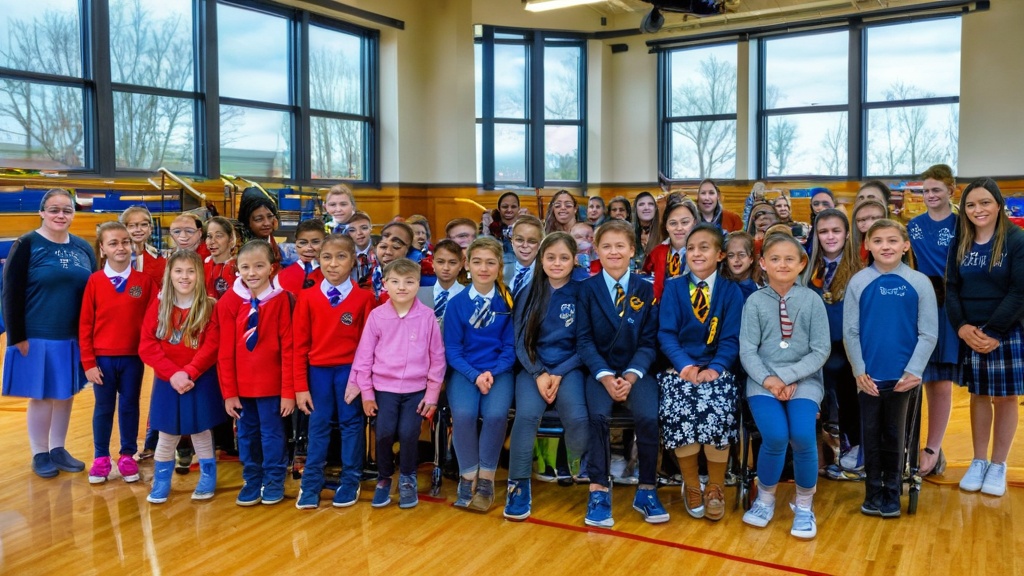
Imagine a child whose daily life is a struggle. This struggle is invisible to most. It’s a rare disease. Finding answers and support feels like searching for a needle in a haystack. This is where “Schools for Hope” steps in. They illuminate the path for families and patients.
Rare diseases affect few people. Yet, collectively, they impact millions globally. A disease is considered rare if it affects fewer than 1 in 2,000 people. [Source: National Institutes of Health (NIH), U.S. Department of Health & Human Services]. There are thousands of different rare diseases. They can affect any part of the body. Many are genetic. Some appear at birth. Others develop later in life.
The Diagnostic Odyssey
Diagnosing a rare disease often takes a long time. This journey can be frustrating. Doctors may not recognize the symptoms. It can involve many doctor visits. Families may feel lost. They seek answers and a correct diagnosis. This period is crucial for effective care.
Living with a Rare Condition
Each rare disease presents unique challenges. Some conditions impact physical abilities. Others affect cognitive function. Many require lifelong management. The emotional toll on patients and families is significant. Support systems are vital for well-being.
The Role of “Schools for Hope”
“Schools for Hope” is not a traditional school. It is a concept. It champions education and empowerment. It connects those affected by rare diseases. It provides vital knowledge and resources. These programs aim to build strong communities. They foster a sense of belonging.
EURORDIS Open Academy: A Model Program
A prime example of this effort is the EURORDIS Open Academy. EURORDIS is a patient-led alliance for rare diseases. [Source: EURORDIS – Rare Diseases Europe]. The Open Academy offers training. It empowers rare disease patients and their families. They become advocates for themselves and others.
Training Patient Advocates
The Open Academy trains individuals. They learn about rare diseases and research. They also learn how to engage with others. This includes researchers and policymakers. They become informed voices. This helps drive progress.
Knowledge is Power
Learning about a rare condition is crucial. It helps patients understand their health. It equips them to discuss options with doctors. Knowledge reduces fear. It promotes informed decision-making. It makes patients active partners in care.
Empowering Research Participation
“Schools for Hope” initiatives often involve research. They encourage patients to participate. Patient input is valuable. It helps guide research priorities. It ensures research meets patient needs. This collaboration accelerates discoveries.
The ERDERA Mentoring Programme
The Open Academy has partnered with ERDERA. ERDERA focuses on rare disease research. [Source: ERDERA – European Rare Disease Research Association]. They created a mentoring programme. This connects experienced advocates with newcomers. It facilitates knowledge transfer. It builds leadership skills. This pilot launched in 2025.
Strengthening Practical Links
The Open Academy Schools in Barcelona exemplify this. They bridge patient advocacy and research. Training covers medicines development. It includes translational research. Participants learn how to join research studies. This strengthens practical connections.
Building a Supportive Community
Rare diseases can feel isolating. “Schools for Hope” programs build connections. They create peer support networks. Families can share experiences. They offer comfort and understanding. This sense of community reduces isolation. It fosters resilience.
Sharing Experiences and Stories
Patients and families share their journeys. These stories are powerful. They inspire others. They raise awareness. They show that no one is truly alone. This shared humanity is a strong foundation.
Connecting Across Borders
Global initiatives like the Open Academy connect people worldwide. They break down geographical barriers. This is vital for rare diseases. It allows sharing of best practices. It fosters international collaboration.
Accessibility and Expansion
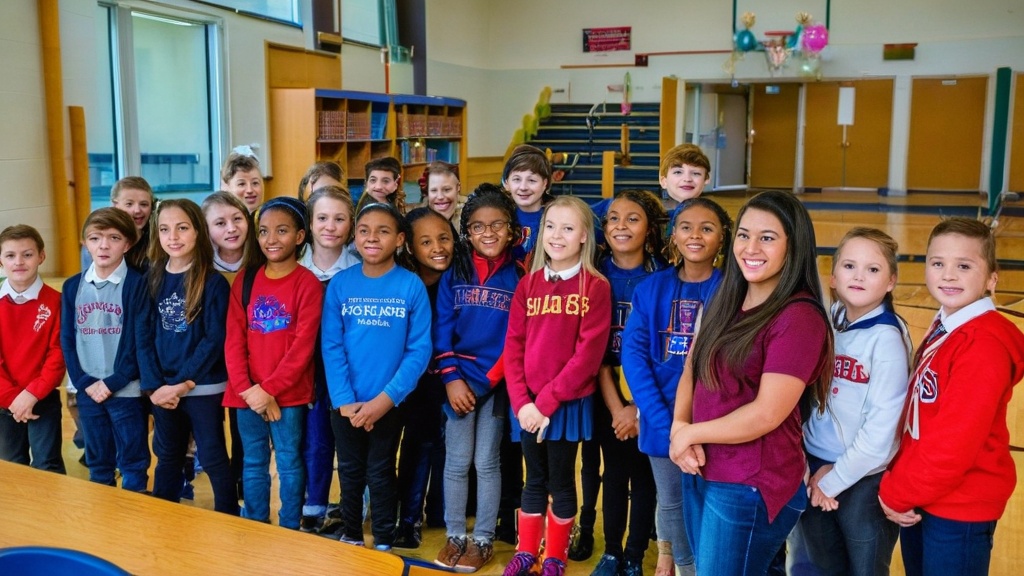
Efforts are underway to make these programs more accessible. Language barriers can be a significant obstacle. The EURORDIS Open Academy has expanded its language offerings. This includes e-learning courses. More advocates can now access training.
Expanding Language Offerings
This expansion makes learning available to more people. It respects diverse linguistic backgrounds. It ensures no one is left behind. This is a critical step for global reach. It broadens the impact of these programs.
Reaching More Individuals
The goal is to reach every person affected by rare disease. Programs are continually developing. They adapt to new needs. They seek to cover more conditions. This ensures broader support.
Actionable Steps: How to Get Involved and Seek Support
If you or someone you know is affected by a rare disease, there are steps you can take. Education is a powerful tool. Community is a source of strength. Advocacy can lead to change.
Seek Out Patient Organizations
Many rare disease organizations exist. They offer support and information. They connect you with others. A good starting point is EURORDIS. They can point you to relevant groups.
Finding Your Tribe
Connecting with others who understand is invaluable. These groups offer a safe space. They share practical tips. They provide emotional support. Your community is out there.
Utilize Educational Resources
Take advantage of available learning materials. Online courses and workshops are offered. These programs teach you about your condition. They explain research processes. They empower you to ask the right questions. The EURORDIS Open Academy is a key resource.
Understanding Medical Information
Learning to understand complex medical terms helps. It improves communication with healthcare providers. It allows you to make informed decisions about treatments. Knowledge is your shield.
Consider Patient Advocacy
Consider becoming an advocate. Your voice matters immensely. Advocate for research funding. Advocate for better policies. Advocate for your own needs. Small actions can create big changes.
Sharing Your Story Safely
Sharing your experience can be empowering. It can help others feel less alone. It can raise awareness. Always prioritize your privacy and comfort. You control what you share.
Participate in Research (When Appropriate)
When you feel ready, explore research participation. Your involvement is crucial for discoveries. Discuss options with your healthcare team. Understand the risks and benefits. Your contribution is highly valued.
The Future of Hope: Continued Growth
| School Name | Location | Number of Students | Support Services |
|---|---|---|---|
| Hope Academy | New York, NY | 50 | Specialized counseling, medical support |
| Unity School | Los Angeles, CA | 40 | Therapeutic services, individualized education plans |
| Empowerment Academy | Chicago, IL | 30 | Speech therapy, occupational therapy |
The “Schools for Hope” concept is growing. Initiatives like the EURORDIS Open Academy are vital. They provide essential training. They build strong communities. They empower individuals. The mentoring programs show great promise.
Sustaining Momentum
Continued investment and support are needed. This ensures these programs can reach more people. It allows them to expand their offerings. This momentum is critical for progress.
Driving Innovation
By educating and empowering patients, these programs drive innovation. They ensure research is patient-centered. They accelerate the search for treatments and cures. This collaborative approach is the future.
“Schools for Hope” represents a beacon of light. It transforms the journey of rare disease. It offers knowledge, community, and empowerment. It is a testament to the power of education and collective action.
FAQs
What are rare diseases?
Rare diseases are conditions that affect a small number of people compared to the general population. In the United States, a rare disease is defined as one that affects fewer than 200,000 people.
What is the purpose of rare disease support schools?
Rare disease support schools aim to provide education and support for individuals and families affected by rare diseases. These schools offer specialized resources, information, and community for those dealing with the challenges of rare diseases.
How do rare disease support schools help individuals and families?
Rare disease support schools offer a range of services, including educational programs, counseling, advocacy, and access to resources such as medical specialists and research opportunities. They also provide a supportive community for individuals and families to connect with others facing similar challenges.
Are there rare disease support schools in every region?
While rare disease support schools may not be available in every region, there are national and international organizations that provide support and resources for individuals and families affected by rare diseases. These organizations often offer online resources and virtual support groups for those who may not have access to a physical support school in their area.
How can individuals and families find rare disease support schools?
Individuals and families can find rare disease support schools and organizations through online research, referrals from healthcare providers, and by reaching out to national rare disease advocacy groups. These organizations can provide information on available support schools and resources in their area.