Unlocking Rare Diseases with Whole Exome Sequencing


Imagine searching for answers for years. A child struggles with unexplained symptoms. A family feels lost. Whole exome sequencing offers new hope. It helps uncover the hidden causes of rare diseases.
Many people live with rare diseases. These conditions affect a small number of individuals. Often, diagnosis takes many years. Families embark on long journeys seeking answers. This “diagnostic odyssey” causes significant distress.
What Defines a Rare Disease?
A disease earns the “rare” label if it affects few people. In the U.S., this means fewer than 200,000 individuals. Europe has a similar definition. However, taken together, rare diseases impact many. Over 7,000 conditions exist. Millions worldwide live with them.
The Challenge of Diagnosis
Diagnosing rare diseases is tough. Symptoms can be vague. They might mimic common illnesses. Doctors may not see enough cases. This limits their experience with specific conditions. Genetic factors often play a role. Pinpointing the exact gene mutation proves difficult.
Understanding Your Genes with Exome Sequencing
Your DNA carries your genetic blueprint. It tells your body how to grow and function. Genes are segments of this DNA. They hold instructions for specific tasks. Most people have two copies of each gene. One copy comes from each parent.
What is the Exome?
The exome is a specific part of your DNA. It contains all the protein-coding genes. Genes make proteins. Proteins do most of the work in cells. The exome is about 1% of your entire genome. But it holds vital information. Scientists call it the “exome” because it’s the portion that gets “expressed” into proteins.
Whole Exome Sequencing Explained
Whole exome sequencing (WES) reads your exome. It scans all your protein-coding genes. This process identifies tiny changes. These changes are called variants or mutations. WES focuses on the essential parts of your DNA. It’s like reading only the main chapters of a very long book.
How WES Unlocks Rare Disease Secrets
WES helps doctors find the root cause of rare conditions. Genetic changes can disrupt how proteins work. This disruption leads to disease symptoms. WES identifies these specific genetic culprits. It can find mutations that other tests miss.
Identifying Disease-Causing Mutations
WES looks for variants that are known to cause disease. It compares your genetic code to a reference. Scientists have identified many disease-related gene changes. If WES finds one of these in you, it points to a diagnosis. This can end years of uncertainty.
The Diagnostic Yield of WES
Studies show WES is very effective. For neurological disorders, it finds answers in 30-50% of cases. This percentage is based on analyzing data from many patients. Some research includes tens of thousands of individuals. For rare diseases overall, WES success rates are also significant. It provides a diagnosis on average for over one-third of patients.
WES vs. Whole Genome Sequencing: Choosing the Right Tool
Both WES and whole genome sequencing (WGS) analyze DNA. They offer different levels of detail. Choosing the right test depends on the situation. Doctors consider patient history and symptoms.
Whole Genome Sequencing: The Bigger Picture
WGS reads almost all of your DNA. This includes the exome and non-coding regions. Non-coding DNA has other important functions. WGS provides a complete genetic map. It can uncover a broader range of genetic issues. However, WGS is more complex and costly.
WES’s Efficiency and Focus
WES is more targeted than WGS. It focuses directly on protein-coding genes. This makes WES faster and usually less expensive. For many rare diseases, the cause lies within the exome. Therefore, WES is often the first choice. Ontario studies found WES diagnostic rates were almost identical to WGS. This supports using WES widely.
Putting WES into Action: Real-World Impact
| Metrics | Value |
|---|---|
| Coverage Depth | 100x – 200x |
| Variant Calling Accuracy | 99.9% |
| SNV Detection Sensitivity | 99.5% |
| Indel Detection Sensitivity | 98.5% |
WES is transforming rare disease diagnosis. It speeds up the process significantly. This gives families much-needed clarity. Access to WES is expanding globally. New partnerships are advancing its use.
Accelerating Diagnostics for Children
Organizations are working to bring WES to more children. For example, Illumina partnered with the Florida Institute for Pediatric Rare Diseases. Their lab will use clinical whole-genome sequencing. This aims to speed up diagnoses for children with rare conditions. It helps end frustrating diagnostic journeys. Millions of children face these challenges.
Global Efforts and Access
Many initiatives aim to improve WES access worldwide. Over 300 million people have rare diseases globally. Efforts are underway to reach more patients. Bridging access gaps is a major focus. This ensures more people can benefit from genetic testing.
Actionable Steps and Future Hope
Whole exome sequencing is a powerful tool. Access to this technology is growing. Here are some general steps families can consider. Always discuss options with a healthcare professional.
Talking to Your Doctor
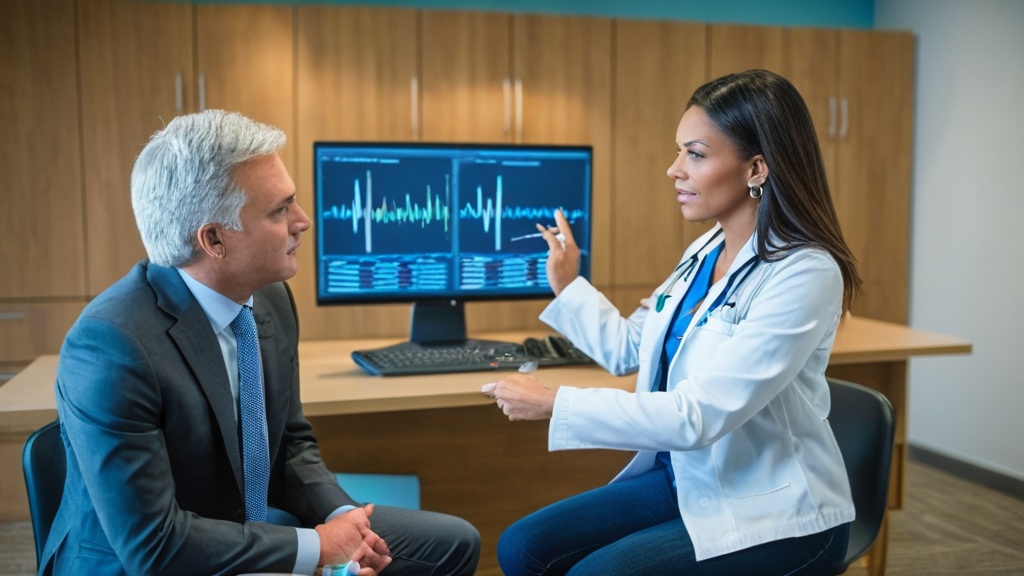
If you suspect a rare disease, talk to your doctor. Share detailed symptom information. Discuss your family’s medical history. Your doctor can evaluate if genetic testing is appropriate. They can guide you through the process.
Understanding Test Results
WES results require expert interpretation. Genetic counselors help explain findings. They can clarify what variants mean. This helps families make informed decisions. It’s important to have professional support.
Looking Ahead
The field of genetic diagnostics is rapidly evolving. New tools and algorithms are improving accuracy. Researchers are finding new ways to use WES data. For instance, bioinformatics can reclassify cases. This leads to better understanding of conditions like Fanconi anemia. The future of rare disease diagnosis looks brighter. Long-read WGS is also expected to improve diagnosis speed.
FAQs
What is whole exome sequencing?
Whole exome sequencing is a genomic technique that focuses on sequencing the protein-coding regions of the genome, known as the exome. This technique allows for the identification of genetic variations that may be responsible for rare diseases.
How is whole exome sequencing used in the diagnosis of rare diseases?
Whole exome sequencing is used to identify genetic variations that may be responsible for rare diseases by analyzing the protein-coding regions of the genome. This can help in identifying the underlying genetic cause of a rare disease in patients who have not received a diagnosis through other means.
What are the benefits of whole exome sequencing for rare disease diagnosis?
Whole exome sequencing can provide a comprehensive analysis of the protein-coding regions of the genome, allowing for the identification of genetic variations that may be responsible for rare diseases. This can lead to a more accurate diagnosis and potentially guide treatment decisions.
What are the limitations of whole exome sequencing for rare disease diagnosis?
While whole exome sequencing can identify genetic variations that may be responsible for rare diseases, it may not always provide a definitive diagnosis. Additionally, the interpretation of genetic variants can be complex and may require further validation and functional studies.
Is whole exome sequencing covered by insurance for rare disease diagnosis?
Coverage for whole exome sequencing for rare disease diagnosis varies by insurance provider and may depend on factors such as the patient’s specific clinical presentation and the availability of other diagnostic options. It is important for patients to consult with their healthcare provider and insurance company to understand their coverage options.