Recognizing and Communicating Rare Symptoms


Have you ever felt a strange, persistent symptom that doctors couldn’t quite explain? You’re not alone. For many, a journey to diagnosis can be a long and isolating one. Exploring the world of rare symptoms is vital for better understanding and care.
Rare diseases affect many people worldwide. Their symptoms often appear unusual. These signs might not fit common illness patterns. This makes them easy to overlook.
What Makes a Symptom “Rare”?
A symptom is considered rare if it’s uncommon. It appears in a small percentage of the population. These symptoms can significantly impact daily life. They require special attention and knowledge.
Why Early Recognition Matters
Catching rare symptoms early is crucial. It can prevent years of uncertainty. Early diagnosis leads to timely treatment. This improves patient outcomes significantly. It truly offers informed hope.
Navigating the Diagnostic Odyssey
The path to a rare disease diagnosis can be lengthy. It’s often called a “diagnostic odyssey.” Patients may see many doctors. They often face repeated tests. This journey can be emotionally draining.
The Challenge of Unfamiliar Signs
Doctors learn about common conditions first. Rare symptoms fall outside their typical experience. They may not recognize the subtle clues. This lack of awareness is a major hurdle.
When Symptoms Seem Unconnected
Rare symptoms can appear in different parts of the body. They might seem unrelated to each other. A tingling in the toes and a rash on the arm might both point to one rare condition. This makes it harder to see the whole picture.
The Role of Patient Observation

You know your body best. Your observations are incredibly valuable. Paying attention to unusual bodily changes is key. Documenting these changes helps doctors. It provides concrete evidence.
Keeping a Detailed Symptom Diary
Start a log of your symptoms. Note when they began. Describe what they feel like. Record how often they occur. Include any triggers you notice. This detailed record is a powerful tool.
Relatable Scenario: Imagine you notice your child develops unusual fatigue. Then, they start having stomach pain. Weeks later, they have trouble walking. A diary helps you show your doctor this progression. It’s more than just isolated complaints.
Effective Communication with Healthcare Providers
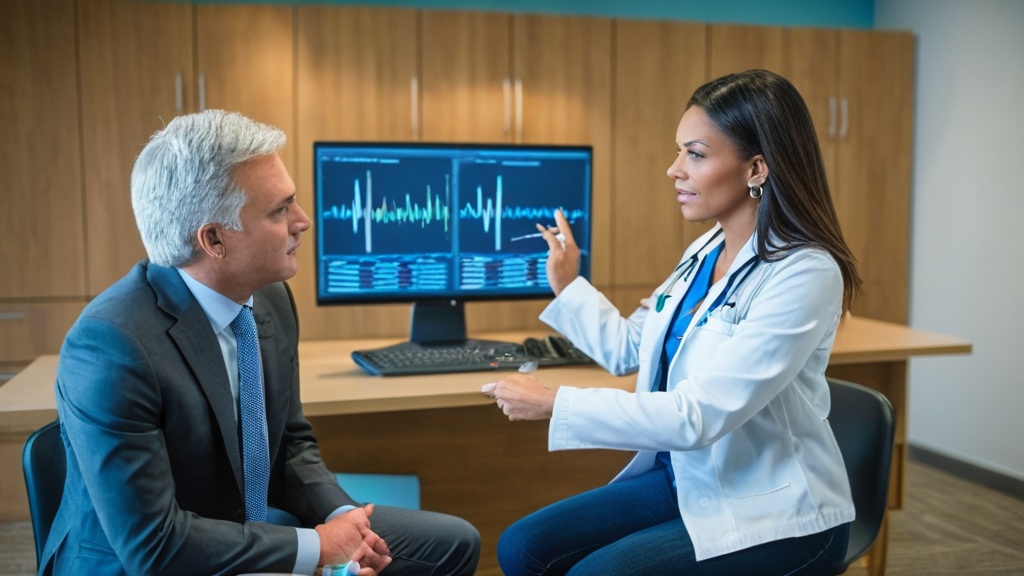
Share your symptom diary with your doctor. Be clear and specific about your concerns. Don’t dismiss your own feelings or experiences. Advocate for yourself with confidence. Your insights are essential for diagnosis.
Leveraging Technology for Diagnosis

Technology is revolutionizing rare disease detection. Artificial intelligence (AI) plays a growing role. These tools help identify subtle patterns. They can speed up the diagnostic process.
AI-Powered Diagnostic Tools
New AI resources assist clinicians. They help spot rare conditions faster. These systems analyze vast amounts of data. They connect symptoms to potential rare diseases.
Latest Development: Organizations like NORD are partnering with AI firms. This effort aims to provide better tools. It supports both doctors and patients. This technology supports broader initiatives for provider awareness.
Genetic Testing and Advanced Imaging
Next-generation sequencing (NGS) is vital. It analyzes a person’s genes. This can uncover genetic causes of rare diseases. Advanced imaging techniques also help. They provide detailed views of internal organs. These tools offer deeper insights.
Building a Collaborative Future
| Symptom | Frequency | Communication Method |
|---|---|---|
| Unexplained weight loss | Rare | Inform healthcare provider immediately |
| Severe headache with no known cause | Rare | Seek medical attention |
| Unexplained bruising or bleeding | Rare | Contact healthcare provider |
Diagnosing rare symptoms requires teamwork. Collaboration among healthcare professionals is crucial. Sharing knowledge and data helps everyone. This collective effort benefits patients most.
Global Data Sharing and Research
Researchers worldwide share findings. This global collaboration is powerful. It helps build a comprehensive understanding of rare conditions. Open research accelerates discovery. It brings new hope to patients.
Empowering Patients and Communities
Patient advocacy groups are essential. They offer support and resources. They share experiences and information. These communities empower individuals. They drive progress in rare disease research.
The UK’s Rare Disease Reforms
The UK has introduced reforms. These changes focus on rare diseases. They emphasize clear communication from health professionals. Patient voices are amplified louder. This ensures informed hope for access and innovation.
Taking Action for Better Awareness
Raising awareness is everyone’s responsibility. Educate yourselves and others. Speak up about unusual symptoms. Support research and advocacy efforts. Together, we can improve the diagnostic journey.
Empowering Your Healthcare Journey
Remember that you are central to your care. Your experiences hold critical information. Don’t underestimate what you notice. Your proactive approach can make a difference. Be a partner in your health.
Actionable Tip: When discussing symptoms with a doctor, try saying, “I’ve noticed X, Y, and Z, and they started around [date]. I’m concerned because they feel different and are impacting [specific activity].” This offers a clear, detailed picture.
Supporting Rare Disease Initiatives
There are many ways to help. Support organizations dedicated to rare diseases. Participate in awareness campaigns. Share accurate information. Your involvement makes a tangible impact. It drives progress for all affected.
Conclusion: A Path Forward Together
The journey with rare symptoms can be challenging. However, with increased awareness, technological advancements, and strong collaboration, the future is brighter. Patient voices are becoming louder. This empowers individuals. It drives innovation. By understanding rare symptoms and communicating effectively, we move closer to timely diagnoses and better outcomes for everyone.
FAQs
What are rare symptoms?
Rare symptoms are medical symptoms that occur infrequently and are not commonly seen in the general population. These symptoms may be unusual, atypical, or difficult to diagnose.
Why is it important to communicate rare symptoms to healthcare providers?
Communicating rare symptoms to healthcare providers is important because they may indicate an underlying medical condition that requires prompt attention. By sharing these symptoms, patients can help their healthcare providers make an accurate diagnosis and develop an appropriate treatment plan.
How can patients effectively communicate rare symptoms to their healthcare providers?
Patients can effectively communicate rare symptoms to their healthcare providers by keeping a detailed record of the symptoms, including when they occur, how long they last, and any factors that seem to trigger or alleviate them. It is also helpful to provide a thorough medical history and be open and honest about any concerns or questions.
What should healthcare providers do when a patient presents with rare symptoms?
When a patient presents with rare symptoms, healthcare providers should take the time to listen carefully to the patient’s concerns and conduct a thorough evaluation. This may include ordering additional tests or consulting with specialists to determine the cause of the symptoms and develop an appropriate treatment plan.
Are there any resources available for patients experiencing rare symptoms?
Yes, there are resources available for patients experiencing rare symptoms, including online support groups, patient advocacy organizations, and medical websites that provide information on rare conditions and symptoms. Patients can also seek guidance from their healthcare providers on where to find reliable information and support.