Genetic Counseling for Rare Diseases

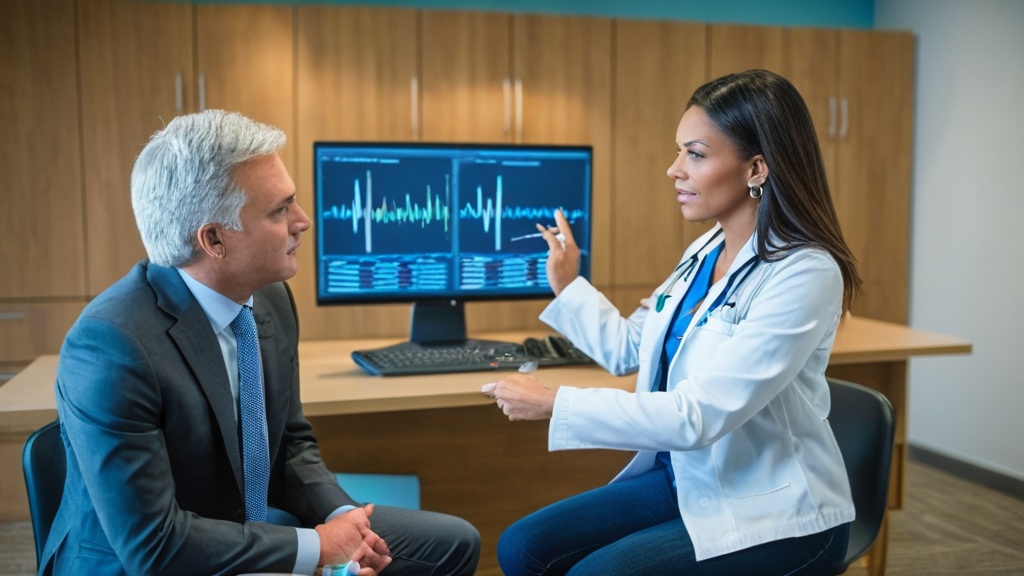
Imagine a world where answers feel out of reach. For families facing rare diseases, this is often their reality. Genetic counseling offers a beacon of hope. It helps unlock mysteries and guides families toward understanding and support.
Rare diseases affect few people. Yet, there are thousands of different rare conditions. Many have a genetic basis. This means changes in our DNA cause them.
What Makes a Disease “Rare”?
A disease is rare in the US if it affects fewer than 200,000 people. In Europe, it’s defined as affecting fewer than 1 in 2,000. These conditions often pose unique challenges. Diagnosis can take a long time.
The Genetic Link
Many rare diseases are inherited. They pass down through families. A single gene change can cause a condition. Sometimes, many genes are involved. Understanding this link is crucial.
The Role of Genetic Counselors
Genetic counselors are vital guides. They help families navigate complex medical information. They explain genetic test results clearly. They offer emotional support during difficult times.
Interpreting Genetic Information
Genetic test results can be complex. Counselors explain what findings mean. They clarify what they do not mean. This helps families make informed choices. Imagine a puzzle with many pieces. Counselors help put those pieces together.
Guiding Treatment Decisions
Counselors discuss treatment options. They help families understand potential benefits. They explain possible risks. They ensure families feel empowered in their healthcare journey. This support is very valuable.
Coordinating Care
Rare diseases often require specialized care. Counselors help coordinate services. They connect families with specialists. They ensure continuous support for lifelong follow-up. This streamlines the care process.
The Power of Genetic Testing

Genetic testing has transformed rare disease diagnosis. It can pinpoint the exact genetic cause. This leads to more precise care. Expanded genetic testing is now common.
Types of Genetic Tests
Many different genetic tests exist. Some look at specific genes. Others examine many genes at once. Your counselor will discuss the best option. They consider your family history.
What Expanded Testing Reveals
Expanded testing can reveal more. It may show unexpected findings. These findings could affect your future health. For example, a test might show a risk for another condition. Counselors help you understand these broader results. They explain their implications for future health risks.
Understanding Unexpected Findings
Sometimes, tests show “variants of uncertain significance.” These are genetic changes we don’t fully understand yet. Counselors explain these findings. They discuss what they might mean. They monitor new research for updates.
Accessing Genetic Counseling: Telemedicine’s Impact

Getting to a genetic counselor can be hard. Telemedicine has changed this for many. It offers convenient, accessible care. This is especially helpful for people in rural areas.
Bridging the Distance
Telemedicine uses technology for appointments. You can connect with a counselor from home. This saves time and travel costs. It removes barriers to expert care.
Faster Access to Expertise
Research shows telemedicine can speed up appointments. People can see a counselor more quickly. This means faster answers and support. Early intervention is often key for rare diseases.
Benefits for Rare Disease Patients
Telemedicine is a game-changer. It connects patients with rare disease specialists. These specialists may not be nearby. It ensures equitable access to vital services.
The Future of Rare Disease Treatment: Gene Therapy and Editing
| Metrics | Data |
|---|---|
| Number of genetic counseling sessions | 200 |
| Percentage of rare disease cases | 30% |
| Number of genetic tests conducted | 150 |
| Success rate of genetic counseling | 85% |
Advances in genetics are rapidly changing. Gene therapy and editing offer new hope. These new treatments target the root cause of diseases. Genetic counselors play a new role here.
Gene Therapy Explained
Gene therapy aims to correct faulty genes. It delivers healthy genes into cells. This can potentially cure certain conditions. It’s a complex and exciting field.
Gene Editing Technologies
CRISPR is a type of gene editing. It allows scientists to precisely change DNA. This technology holds immense promise. It could correct disease-causing mutations. Counselors help explain these complex approaches.
Navigating New Treatment Pathways
Genetic counselors discuss emerging therapies. They explain clinical trials. They help families understand new treatment options. They empower patients to make informed decisions about these advanced treatments. This ensures families understand the latest scientific developments.
Raising Awareness and Education
Early recognition of rare diseases is vital. Awareness campaigns help families quickly identify symptoms. This leads to earlier diagnosis and intervention. Genetic counseling is a cornerstone of this effort.
Empowering Families Through Knowledge
Educational events inform the public. They highlight the importance of genetic counseling. Families learn where to find support. Knowledge is power in navigating rare diseases. Organizations host webinars and workshops.
Early Diagnosis and Intervention
Earlier diagnosis improves outcomes. It allows for prompt management. It helps families connect with resources sooner. Genetic counselors help families navigate this crucial process. Recognizing symptoms early can make a big difference.
Resources for Support
Many organizations support rare disease families. They offer information and communities. Your genetic counselor can connect you. These resources provide invaluable comfort and guidance. Examples include disease-specific foundations.
Actionable Tips for Families
Facing a rare disease diagnosis is challenging. Here are some steps you can take. These tips can help you navigate your journey. Remember, you are not alone.
Seek a Genetic Counselor
If you suspect a genetic condition, talk to your doctor. Ask for a referral to a genetic counselor. They are experts in genetic health. They can help you understand your options.
Prepare for Your Appointment
Write down your family health history. Note any questions you have. This helps you get the most from your session. Be open about your concerns.
Understand Your Test Results
Ask your counselor to explain clearly. Don’t hesitate to ask for clarification. Take notes during your appointment. You have a right to understand.
Connect with Support Networks
Many rare disease communities exist. Find groups for your specific condition. Connecting with others facing similar challenges can be empowering. These networks offer emotional support and practical advice.
Stay Informed
Rare disease research moves quickly. Ask your counselor about new developments. Keep up-to-date with relevant information. Knowledge empowers you to advocate for your care.
Genetic counseling provides essential support. It helps families understand rare diseases. It guides them through complex medical decisions. It connects them to vital resources. It’s a crucial service for many.
FAQs
What is genetic counseling for rare diseases?
Genetic counseling for rare diseases involves providing information and support to individuals and families who may be at risk for or affected by a rare genetic condition. This can include discussing the inheritance pattern of the disease, available testing options, and potential treatment or management strategies.
What does a genetic counselor do?
A genetic counselor is a healthcare professional with specialized training in medical genetics and counseling. They work with individuals and families to assess their risk of genetic conditions, provide education and support, and help them make informed decisions about genetic testing and healthcare management.
How can genetic counseling help with rare diseases?
Genetic counseling can help individuals and families understand the underlying genetic cause of a rare disease, explore available testing options, and make informed decisions about their healthcare. It can also provide emotional support and connect families with resources and support networks.
Who may benefit from genetic counseling for rare diseases?
Individuals and families with a personal or family history of a rare genetic condition, or those who are concerned about their risk for a rare disease, may benefit from genetic counseling. This can include individuals with undiagnosed symptoms, couples planning a pregnancy, or parents of a child with a rare genetic condition.
Where can I find a genetic counselor for rare diseases?
Genetic counselors can be found in a variety of healthcare settings, including hospitals, clinics, and genetic testing laboratories. Many genetic counselors also offer telehealth services, allowing individuals to access genetic counseling remotely. It is important to seek out a genetic counselor who has experience and expertise in rare genetic conditions.