Understanding Aarskog–Scott Syndrome: Causes and Treatment


Imagine a puzzle. Each piece represents a part of your body’s development. For some, a tiny, crucial piece might be different, leading to a condition like Aarskog-Scott syndrome (AAS). This genetic condition affects how some body parts form.
Aarskog-Scott syndrome, also called faciogenital dysplasia, is a rare genetic disorder. It affects many bodily systems. Individuals often show distinct facial features. They may also have skeletal and genital abnormalities.
Genetic Basis of AAS
AAS stems from changes in a specific gene. This gene is called FGD1. It plays a role in cell signaling. Gene mutations disrupt normal development.
How it’s Inherited
AAS follows an X-linked inheritance pattern. This means the FGD1 gene is on the X chromosome. Males are more often affected. Females can be carriers.
Prevalence and Incidence
AAS is quite rare. Its exact incidence is hard to determine. Estimates suggest it affects fewer than 1 in 100,000 people.
Recognizing the Signs: Clinical Features of AAS
AAS presents with a range of features. These can vary significantly among individuals. No two people with AAS are exactly alike.
Characteristic Facial Features
People with AAS often share specific facial traits. These include a round face and a broad forehead. They might also have widely spaced eyes. A small nose with nostrils that point forward is common. A long philtrum, the groove above the upper lip, is also typical. Sometimes, a “shawl” scrotum appears. This means the scrotum wraps around the base of the penis.
Skeletal and Digital Anomalies
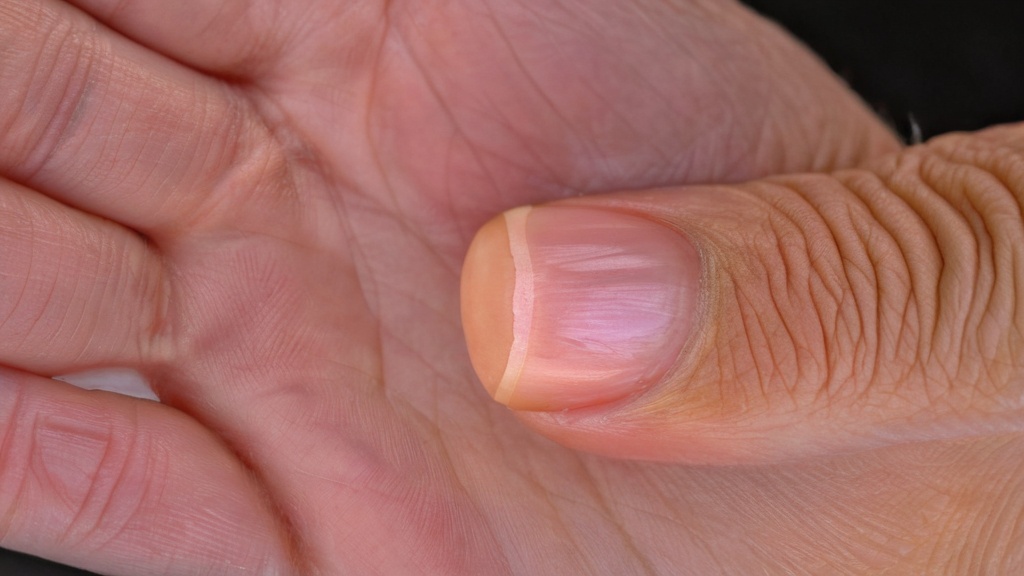
Skeletal issues are frequent. Short stature is a common finding. People may have short fingers and toes. Webbed fingers or toes, called syndactyly, can occur. A condition called clinodactyly, or curved pinky fingers, is also seen. People might also have joint hypermobility. This means joints move beyond their normal range.
Genitourinary Manifestations
Genital abnormalities are a hallmark of AAS. Undescended testicles (cryptorchidism) are very common. It affects a significant number of males. A history of hernia is also reported. Sometimes, a “shawl” scrotum is present. This is when the scrotum wraps around the base of the penis.
For example, imagine a child who looks healthy but has small hands. Later, doctors might discover undescended testicles. These clues could point to AAS.
Other Potential Health Concerns
Beyond the main features, other issues can arise. Dental problems are common. These include delayed tooth eruption or malocclusion. Heart defects can also occur in some cases. Intellectual development varies. Some individuals have mild learning difficulties. Others show typical intelligence. Neurological issues, such as ADHD, have also been reported.
Understanding the Genetics: The FGD1 Gene

The FGD1 gene is central to AAS. It holds the instructions for making a protein. This protein is called Faciogenital Dysplasia 1.
Function of the FGD1 Protein
The FGD1 protein acts as a guanine nucleotide exchange factor (GEF). It specifically works with Rho GTPases. Rho GTPases are small proteins. They help control cell growth and shape. They also regulate cell movement. The FGD1 protein specifically activates the RhoA protein. This activation is crucial for skeletal development. It also impacts cell migration.
Think of it like a switch. The FGD1 protein flips the switch for RhoA. This switch tells cells how to grow and form. If the switch malfunctions, development can go awry.
Mutations and Their Impact
Mutations in the FGD1 gene cause AAS. These mutations lead to a non-functional or poorly functioning protein. For example, a “frameshift mutation” can occur. This changes the reading frame of the gene. It leads to a truncated, non-functional protein. Research in 2021 found a novel frameshift mutation. It caused AAS in an 11-year-old boy. This mutation disrupted the RhoGEF domain. This domain is critical for protein function.
Novel FGD1 Variations
Recent research continues to expand our understanding. A 2024 study identified four new variations. These variations are in the FGD1 gene. They are linked to AAS. This expands the known genetic landscape of the syndrome. These findings connect specific genetic changes to various clinical features. It helps doctors understand the condition better. Another study in 2022 found a new FGD1 variant. This variant showed X-linked inheritance. It caused various deformities and neurological issues.
Diagnosis and Management of Aarskog-Scott Syndrome

Diagnosing AAS begins with a clinical evaluation. Doctors observe a person’s features. Genetic testing confirms the diagnosis.
Diagnostic Criteria
Diagnosis relies on unique physical findings. These include characteristic facial features. Skeletal and genital abnormalities are also key. A family history of AAS can also be a clue. Imagine a doctor seeing a child with widely spaced eyes. They also notice undescended testicles. These observations prompt further investigation.
Genetic Testing
Genetic testing confirms AAS. It identifies mutations in the FGD1 gene. DNA sequencing is often used. This allows doctors to pinpoint the exact gene change. This confirmation is vital for family counseling.
Early Intervention and Supportive Care
Early intervention is crucial. It helps manage various symptoms. A team of specialists provides care. This team might include pediatricians, geneticists, and endocrinologists. Physical therapy can address skeletal issues. Occupational therapy helps with daily activities. Speech therapy can aid communication.
Surgical Interventions
Surgery often addresses specific physical issues. For example, cryptorchidism may require surgery. This brings undescended testicles into the scrotum. Hernias also require surgical repair. Cleft lip or palate, though less common, also needs surgical correction. Orthodontic treatment can correct dental problems.
Addressing Comorbidities
Individuals with AAS may experience other health issues. These are called comorbidities. For example, allergies or skin conditions might arise. A recent case in 2022 highlighted this. A 36-year-old AAS patient had severe atopic dermatitis (AD). This is a chronic skin condition. The patient received Dupilumab treatment. This medication significantly improved their AD. This shows how managing co-occurring conditions can improve quality of life. Think of it like tuning multiple instruments in an orchestra. Each instrument (comorbidity) needs attention to create harmony.
Living with Aarskog-Scott Syndrome: Support and Outlook
| Metric | Details |
|---|---|
| Disorder Name | Aarskog–Scott syndrome |
| Also Known As | Faciodigitogenital syndrome |
| Inheritance Pattern | X-linked recessive |
| Gene Involved | FGD1 gene |
| Primary Symptoms | Short stature, facial abnormalities, genital anomalies, and skeletal malformations |
| Typical Onset | Congenital (present at birth) |
| Prevalence | Rare; exact prevalence unknown |
| Diagnosis Methods | Clinical evaluation, genetic testing for FGD1 mutations |
| Treatment Options | Symptomatic and supportive care, growth hormone therapy in some cases |
| Prognosis | Generally good with appropriate management |
Living with AAS involves ongoing care. Support from family, friends, and professionals is essential.
Developmental and Educational Support
Some individuals with AAS experience developmental delays. These vary in severity. Educational support is key for those with learning difficulties. Individualized Education Programs (IEPs) help children thrive. Special education services can also be beneficial. For example, if a child struggles with fine motor skills, an occupational therapist can assist.
Psychosocial Support
Living with a rare condition can be challenging. Emotional and psychological support is important. Support groups connect families facing similar experiences. This fosters a sense of community. Genetic counseling supports families. It helps them understand the condition and its implications.
Long-term Outlook
AAS does not typically shorten life expectancy. The long-term outlook depends on managing symptoms. Regular medical follow-ups are crucial. They help monitor health and address new issues. For example, annual check-ups ensure proper growth and development.
Research and Future Directions
Research continues to advance. Studies on novel FGD1 variations deepen our understanding. Genetic research aims to uncover more about the disease. This may lead to new therapies. For example, gene therapy is a promising area. It aims to correct the underlying genetic defect. Ongoing research offers hope for improved treatments.
FAQs
What is Aarskog–Scott syndrome?
Aarskog–Scott syndrome is a rare genetic disorder that primarily affects the development of the face, limbs, and genitalia. It is characterized by distinctive facial features, short stature, and skeletal abnormalities.
What causes Aarskog–Scott syndrome?
Aarskog–Scott syndrome is caused by mutations in the FGD1 gene, which is located on the X chromosome. This gene mutation affects the development of various tissues during fetal growth.
What are the common symptoms of Aarskog–Scott syndrome?
Common symptoms include a round face, widely spaced eyes, a small nose, a widow’s peak hairline, short stature, webbed fingers or toes, and genital abnormalities such as a shawl scrotum in males.
How is Aarskog–Scott syndrome diagnosed?
Diagnosis is typically based on clinical evaluation of physical features and family history. Genetic testing can confirm mutations in the FGD1 gene to support the diagnosis.
Is there a treatment for Aarskog–Scott syndrome?
There is no cure for Aarskog–Scott syndrome, but treatment focuses on managing symptoms and may include growth hormone therapy, surgical correction of skeletal or genital abnormalities, and supportive therapies such as physical or occupational therapy.